
Table of Contents
- What Is Animation and Why Is It Booming?
- The Main Types of Animation You Can Specialize In
- Top Animation Career Roles Explained
- Animation Salary Ranges by Role and Experience
- Essential Skills Every Animator Needs
- Education Paths: Degree vs. Self-Taught
- Building a Portfolio That Gets You Hired
- How to Land Your First Animation Job
- Industry Outlook and Future Trends
- Key Takeaways
- Frequently Asked Questions
What Is Animation and Why Is It Booming?
If you have ever watched a Pixar film and wondered who brings those characters to life, you are already curious about one of the most dynamic creative fields in entertainment. A career in animation explained simply means working in the art and science of creating moving images – whether that is a feature film, a video game cutscene, a medical visualization, or a TikTok explainer video. The industry has grown far beyond Saturday morning cartoons.
The global animation market was valued at approximately $391 billion in 2024 and is projected to reach over $587 billion by 2030, according to estimates from Grand View Research. Streaming platforms like Netflix, Disney+, and Amazon Prime are commissioning more animated content than ever before. Netflix alone released over 40 original animated titles in 2025. Meanwhile, the gaming industry – which relies heavily on animators – generated more than $190 billion in global revenue in 2024.
What makes a career in animation explained in practical terms is the sheer diversity of opportunities. You are no longer limited to Hollywood studios. Advertising agencies, tech companies, healthcare organizations, architecture firms, and educational publishers all hire animators. The rise of augmented reality (AR), virtual reality (VR), and real-time rendering engines like Unreal Engine 5 has created entirely new job categories that did not exist a decade ago.
Remote work has also expanded access to animation careers. Studios like Titmouse, Cartoon Saloon, and even larger outfits like Sony Pictures Animation have embraced hybrid and fully remote pipelines. This means talented animators in Nairobi, Sao Paulo, or Manila can compete for the same projects as those in Los Angeles or Vancouver.
The Main Types of Animation You Can Specialize In
Before diving into specific roles, it helps to understand the branches of animation, since your career in animation explained by type will shape everything from the tools you learn to the studios you target.
2D Animation
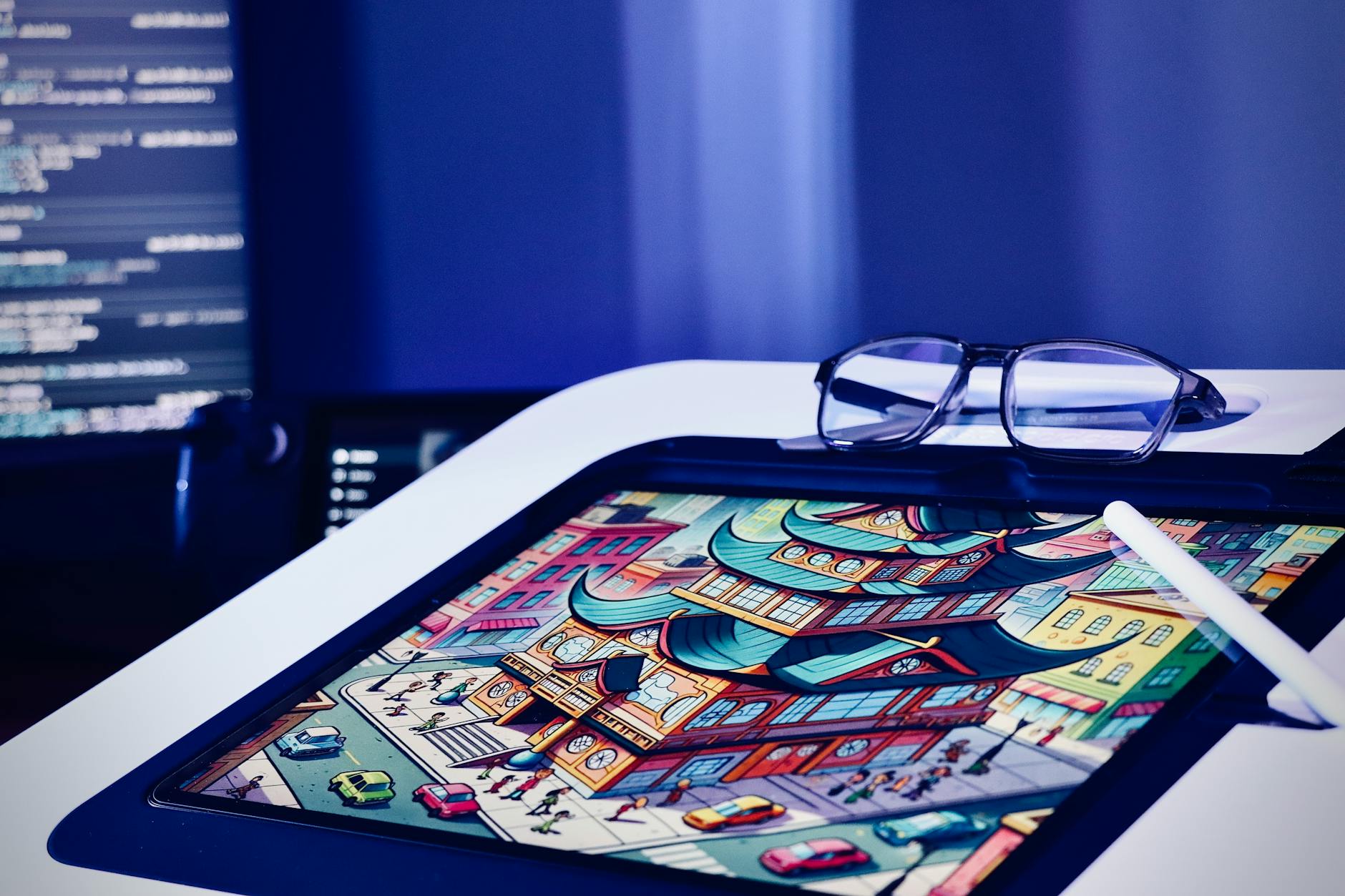
Traditional and digital 2D animation remains hugely popular. Shows like “Arcane” on Netflix and “Primal” on Adult Swim demonstrate the artistic power of 2D work. Tools like Toon Boom Harmony and Adobe Animate are industry standards. 2D animators typically work on television series, indie games, explainer videos, and motion graphics.
3D Animation
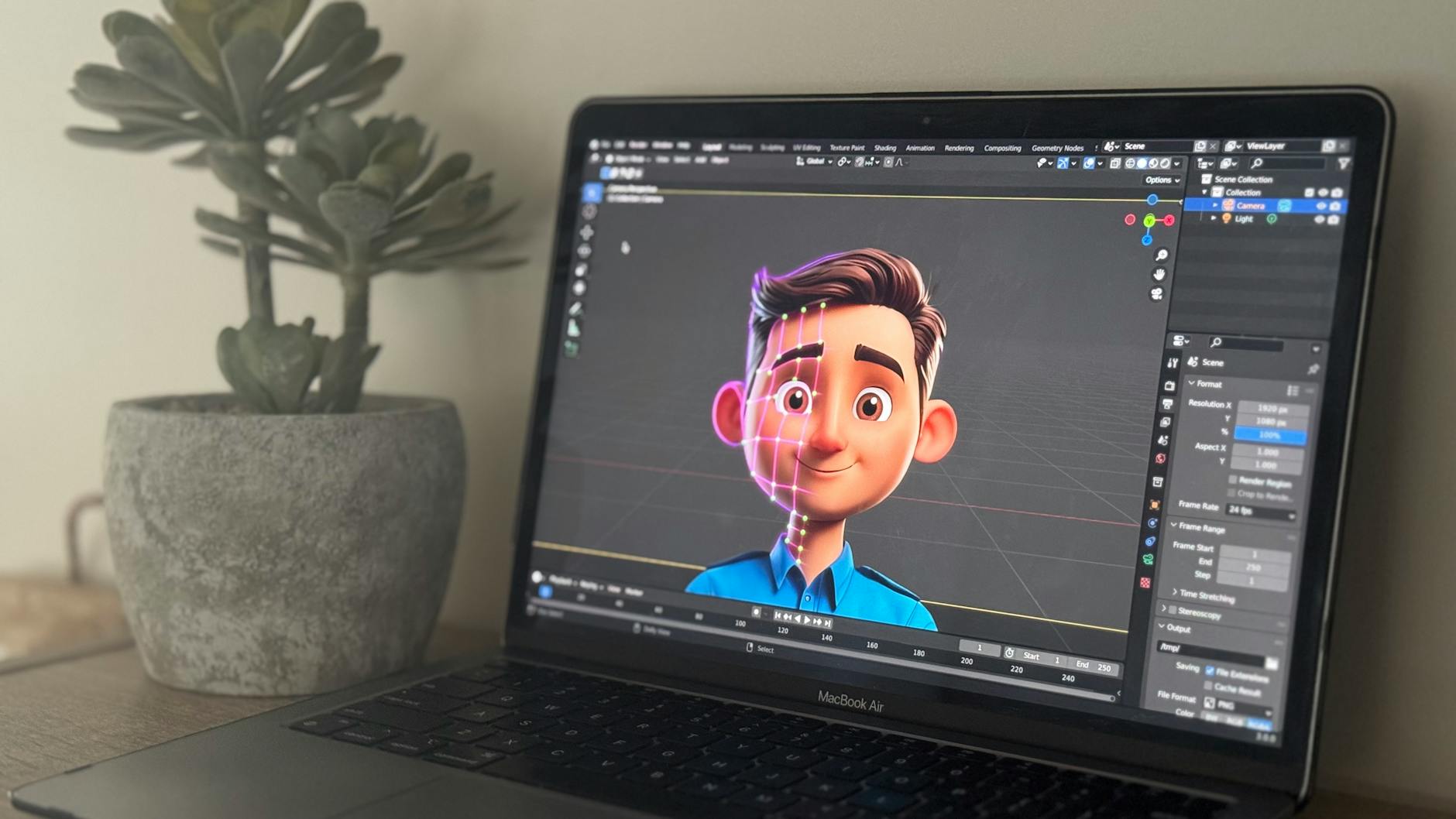
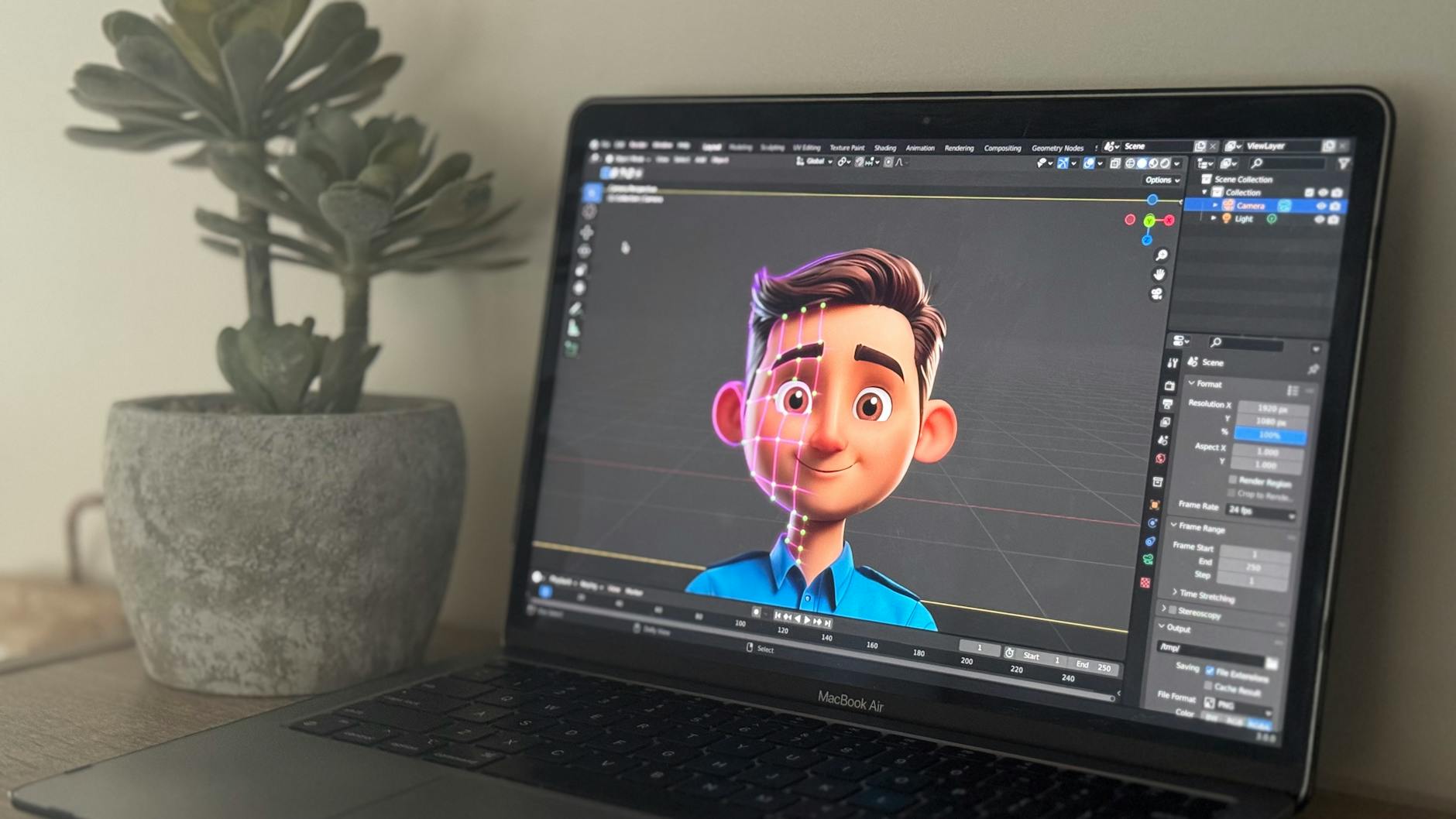
This is the dominant format for feature films and AAA video games. Studios like Pixar, Illumination, and DreamWorks produce 3D animated features that routinely gross over $500 million worldwide. Software like Autodesk Maya, Blender, and Cinema 4D are the primary tools. 3D animators handle character animation, environment design, rigging, and visual effects.
Stop Motion
Studios like Laika (“Coraline,” “Kubo and the Two Strings”) and Aardman (“Wallace & Gromit”) keep this tactile art form alive. Stop motion animators physically manipulate puppets, clay figures, or objects frame by frame. It is a niche but highly respected specialty.
Motion Graphics
Motion graphics sit at the intersection of animation and graphic design. Think title sequences, infographics, app animations, and social media content. After Effects is the go-to tool. This area is especially strong in advertising and corporate communications, with freelancers often earning $75 to $150 per hour.
VFX Animation
Visual effects animation involves integrating animated elements into live-action footage. Marvel films, for instance, employ thousands of VFX animators to create everything from Iron Man’s suit to entire cityscapes. Studios like Industrial Light & Magic (ILM), Weta Digital, and Framestore are major employers in this space.
Top Animation Career Roles Explained
When people think about a career in animation explained in terms of job titles, “animator” is usually the only role that comes to mind. But modern animation studios employ dozens of specialized positions. Here are the most important ones.
Character Animator
Character animators bring personalities to life. They focus on body movement, facial expressions, and emotional performance. At Pixar, character animators might spend weeks perfecting a single scene – the “Bing Bong” farewell in “Inside Out” reportedly took months to animate because of the emotional nuance required. Entry-level character animators typically start at $55,000 to $65,000, with senior animators at major studios earning $120,000 or more.
Storyboard Artist
Storyboard artists translate scripts into visual sequences. They sketch out every scene, establishing camera angles, character positions, and pacing. This role requires strong drawing skills and an understanding of cinematic storytelling. Salaries range from $50,000 for juniors to $100,000+ for leads at major studios.

Rigging Artist
Riggers build the digital skeletons that allow 3D characters to move. They create control systems that animators use to pose and manipulate characters. It is a highly technical role that blends artistry with programming. Rigging artists earn between $65,000 and $110,000, and they are consistently in high demand because the skill set is rare.
Layout Artist
Layout artists set the stage – literally. They establish camera placement, character staging, and the overall composition of each shot. Think of them as the cinematographers of animation. This role bridges the gap between storyboards and final animation.
Technical Director (TD)
Technical directors solve complex pipeline problems. They write scripts and tools that make the production process smoother. A lighting TD, for example, develops shading systems and lighting setups. TDs typically need strong programming skills (Python, MEL, C++) alongside artistic sensibility. Salaries range from $80,000 to $140,000.
Art Director
Art directors define the overall visual style of a project. They create color scripts, design environments, and ensure visual consistency across every frame. This is a senior role that requires years of experience and a deep understanding of color theory, composition, and design principles. Art directors at major studios earn $100,000 to $160,000 or more.
Animation Director
The animation director oversees the entire animation team, ensuring that character performances are consistent and meet the creative vision. They review dailies, provide feedback, and work closely with the film’s director. This is a leadership role that typically requires 10+ years of experience.
Animation Salary Ranges by Role and Experience
Understanding salary expectations is crucial when evaluating a career in animation explained in financial terms. Here is a breakdown based on data from the Animation Guild (IATSE Local 839), Glassdoor, and industry surveys from 2025.
Junior animators (0-2 years experience) typically earn between $45,000 and $65,000 per year in the United States. Mid-level animators (3-7 years) earn $70,000 to $100,000. Senior and lead animators (8+ years) at studios like Disney, Pixar, or DreamWorks can earn $110,000 to $160,000 or more, not including bonuses and profit-sharing.
Geographic location plays a significant role. Animators in Los Angeles and San Francisco tend to earn 15-25% more than those in smaller markets, though the cost of living offsets much of that premium. Vancouver, a major animation hub due to Canadian tax incentives, offers competitive salaries around CAD $60,000 to CAD $110,000. Remote positions are increasingly pegged to studio-location rates, which benefits animators living in lower-cost areas.
Freelance animators can earn significantly more per hour – $50 to $150 depending on specialization – but they also bear the costs of healthcare, equipment, and unpaid downtime between projects. Motion graphics freelancers working in advertising often command the highest hourly rates.
Essential Skills Every Animator Needs
A career in animation explained through its skill requirements reveals a blend of artistic talent, technical proficiency, and soft skills that few other creative professions demand.
Artistic Fundamentals
No matter what type of animation you pursue, strong drawing skills matter. Understanding anatomy, perspective, weight, timing, and the 12 principles of animation (established by Disney legends Frank Thomas and Ollie Johnston) is non-negotiable. Even 3D animators benefit enormously from being able to sketch poses and thumbnails.
Software Proficiency
The tools you need depend on your specialization. For 3D animation, Autodesk Maya remains the industry standard, though Blender has gained massive traction – especially among indie studios and freelancers – because it is free and open-source. For 2D work, Toon Boom Harmony is the professional standard, while Clip Studio Paint is popular for frame-by-frame work. Motion graphics artists live in Adobe After Effects and Cinema 4D.
Storytelling and Acting
Great animation is great acting. Animators need to understand emotion, body language, and comedic timing. Many animation programs include acting classes, and studios like Pixar encourage their animators to film themselves acting out scenes as reference footage. Understanding story structure, pacing, and character arcs makes you a more valuable team member.
Problem-Solving and Collaboration
Animation is a team sport. A feature film might involve 300-500 people working across departments. You need to take direction gracefully, communicate clearly in reviews, and solve creative problems under tight deadlines. Productions like “Spider-Man: Across the Spider-Verse” involved over 1,000 artists across multiple studios worldwide – coordination and collaboration were essential.
Education Paths: Degree vs. Self-Taught
One of the most debated topics when discussing a career in animation explained for beginners is whether you need a formal degree. The honest answer: it depends, but your portfolio matters more than your diploma.
University and Art School
Top animation programs include CalArts (which has produced Pixar and Disney directors), Sheridan College in Ontario (known as the “Harvard of Animation”), Gobelins in Paris, Ringling College of Art and Design, and the School of Visual Arts in New York. A four-year BFA in animation typically costs $40,000 to $60,000 per year at private institutions. The advantages include structured learning, industry connections, mentorship, and access to recruiters who visit campus.
Online Learning and Self-Taught Paths
Online schools like Animation Mentor, AnimSchool, and iAnimate offer focused animation training at a fraction of the cost – typically $3,000 to $6,000 per course. Platforms like Schoolism provide masterclasses taught by working industry professionals. YouTube channels like “Dong Chang” and “Aaron Blaise” offer free foundational content. Many successful animators at studios like Riot Games and Netflix have been self-taught or online-educated. The key is building a killer demo reel.
Building a Portfolio That Gets You Hired
Your demo reel is everything. Recruiters at animation studios typically spend 10-30 seconds on an initial portfolio review, so your strongest work must come first. Here is what matters most.
Quality over quantity. A 30-second reel with three brilliant shots will beat a 3-minute reel with mediocre work every time. Show only your best animation – if a shot is not excellent, cut it. Include a variety of acting shots: dialogue scenes, physical action, subtle emotion, and comedic timing. Studios want to see range.
Tailor your reel to the studio. If you are applying to Pixar, emphasize emotional character performance. If you are targeting a game studio like Naughty Dog, include action sequences and locomotion cycles. If you want to work in VFX, show creature animation or effects work. Research each studio’s recent projects and align your reel accordingly.
Use professional hosting. Vimeo is the industry standard for demo reels because it offers password protection and clean playback. Create an ArtStation or personal website to showcase breakdowns, sketches, and behind-the-scenes process work. Recruiters love seeing your thought process alongside your finished animation.
How to Land Your First Animation Job
Getting your foot in the door is often the hardest part of a career in animation explained honestly. Here are proven strategies that work.

Apply for Internships and Trainee Programs
Studios like Pixar, Disney, DreamWorks, and Cartoon Network run competitive internship programs that serve as direct pipelines to full-time employment. Pixar’s internship program, for example, has produced multiple directors and supervising animators. Apply early – most programs open applications 6-9 months before the start date.
Network Strategically
Attend events like SIGGRAPH, CTN Animation Expo, Annecy International Animation Film Festival, and local ASIFA chapter meetings. Follow and engage with professional animators on Twitter/X and LinkedIn. Join Discord communities like “Animation Lounge” and Reddit’s r/animationcareer. Many jobs are filled through referrals before they are ever publicly posted.
Start Small and Build Up
Your first job might not be at a dream studio. Consider smaller studios, advertising agencies, mobile game companies, or freelance gigs to build your experience and professional network. Studios like Titmouse, Bento Box Entertainment, and Floyd County Productions (which produces “Archer”) are excellent stepping stones with great cultures.
Leverage Social Media
Platforms like Instagram, TikTok, and Twitter/X are where many animators get discovered. Posting work-in-progress clips, animation challenges, and breakdowns can attract recruiters and potential clients. Animator Kevin Parry built a massive following on TikTok by posting creative stop-motion transitions, which led to commercial work with major brands.
Industry Outlook and Future Trends
The future for a career in animation explained through industry trends looks exceptionally promising. Several developments are reshaping the field.
Real-time rendering using Unreal Engine 5 and Unity is blurring the line between pre-rendered animation and live rendering. Shows like “The Mandalorian” use virtual production with real-time environments, and animated series are starting to adopt similar techniques. Animators who learn real-time engines will have a significant competitive advantage.
AI tools are augmenting – not replacing – animator workflows. Tools like Cascadeur use AI to assist with physics-based animation, while AI-powered in-betweening tools are speeding up 2D production. The consensus among industry professionals is that AI will handle tedious tasks (like in-betweening and basic lip sync) while human animators focus on creative performance and storytelling.
The demand for animated content continues to accelerate across platforms. Short-form content for social media, animated podcasts, educational animation for e-learning platforms, and interactive experiences in VR all represent growing markets. The U.S. Bureau of Labor Statistics projects 4% growth for multimedia artists and animators through 2032, but industry insiders suggest the real growth – especially in gaming and streaming – is much higher.
Key Takeaways
- The animation industry is worth over $391 billion globally and continues to expand across film, gaming, advertising, and emerging technologies like VR and AR.
- A career in animation explained by roles includes character animators, storyboard artists, riggers, technical directors, and art directors – each with distinct skill requirements and salary ranges from $45,000 to $160,000+.
- Your portfolio and demo reel matter more than your degree. Focus quality over quantity and tailor your reel to each studio you apply to.
- Blender, Maya, Toon Boom Harmony, and After Effects are the most important software tools depending on your specialization.
- Networking through events like SIGGRAPH and CTN Expo, social media presence, and internship programs are the most effective paths to landing your first job.
- Real-time rendering and AI tools are reshaping production pipelines, creating new opportunities for animators who stay current with technology.
Frequently Asked Questions
Do I need a college degree to get a career in animation?
No, a degree is not strictly required. Many working animators at major studios are self-taught or trained through online programs like Animation Mentor. However, a strong portfolio with an excellent demo reel is absolutely essential. Degrees from top programs like CalArts or Sheridan can provide valuable networking opportunities and structured mentorship that accelerate your career.
How long does it take to become a professional animator?
Most animators spend 2-4 years developing their skills to a professional level, whether through a degree program or self-directed learning. Building a competitive demo reel that can get you hired at a reputable studio typically takes at least 1-2 years of focused practice after learning the fundamentals. Total timeline from beginner to first professional job is usually 3-5 years.
Is animation a stable career?
Animation can be stable, but it depends on the sector. Staff positions at large studios like Disney, Pixar, or major game studios offer good stability and benefits. However, much of the industry operates on a project-by-project basis, meaning contract work is common. Diversifying your skills – for example, being able to work in both film and advertising – significantly improves job security. The overall demand for animators continues to grow as content production increases across all platforms.
What is the best animation software for beginners?
Blender is the best starting point for 3D animation because it is free, powerful, and has an enormous learning community. For 2D animation, Krita (free) or Clip Studio Paint (affordable) are excellent entry points. Once you have foundational skills, you can transition to industry-standard tools like Maya or Toon Boom Harmony.
Can I work remotely as an animator?
Yes, remote work has become increasingly common in animation since 2020. Many studios now offer hybrid or fully remote positions, and freelance animators have always worked remotely. Platforms like Upwork, Fiverr, and specialized job boards like Cartoon Brew’s job listings regularly feature remote animation opportunities. Strong internet connectivity and a capable workstation are the main requirements.