
Table of Contents
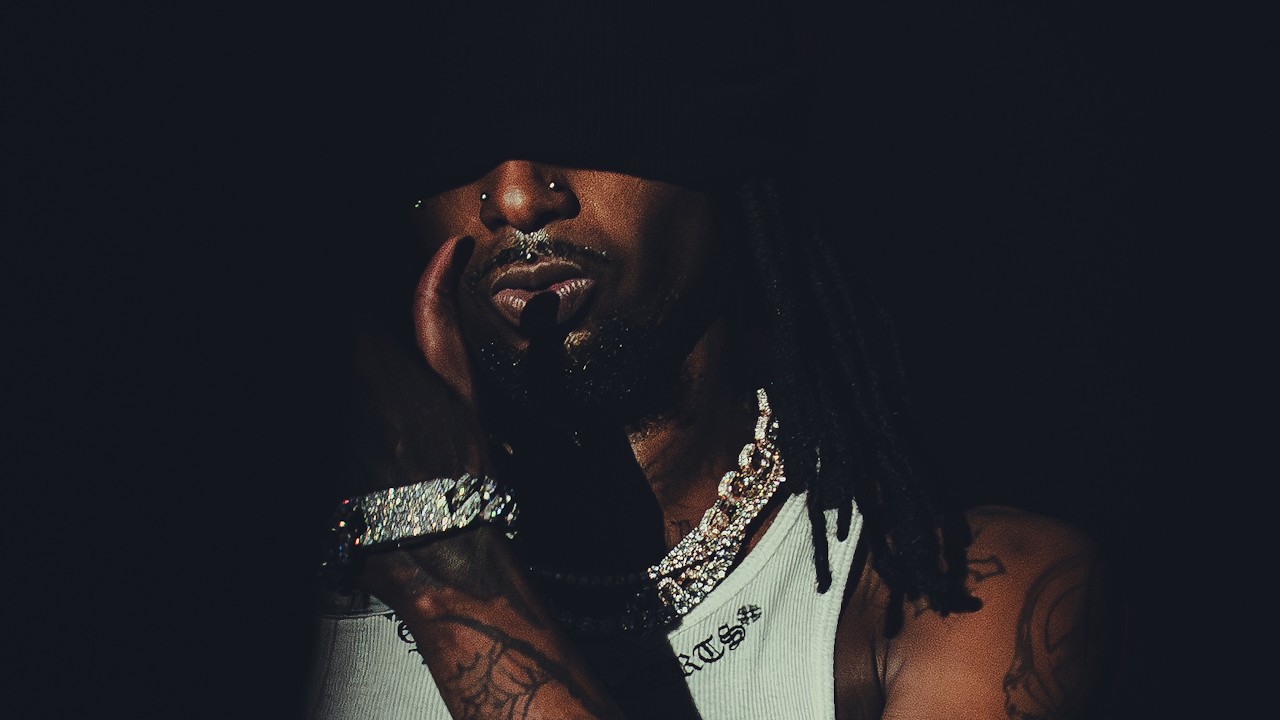
Nigerian sensation Omah Lay has once again proven his ability to channel deep emotional complexity into compelling music with his latest Colors Show performance of “Don’t Love Me.” The track serves as a stark confession from an artist grappling with emotional detachment and the aftermath of heartbreak. In typical Omah Lay fashion, he transforms personal pain into universal art, creating a piece that resonates far beyond individual experience. The performance showcases not just his vocal prowess but his willingness to expose the darker corners of his psyche to his audience.
The Colors Show Moment
The Colors Show has become synonymous with stripped-down, intimate performances that allow artists to showcase their raw talent without the bells and whistles of elaborate production. Omah Lay’s rendition of “Don’t Love Me” fits perfectly within this framework, presenting a haunting meditation on emotional unavailability. The performance captures the essence of someone who has built walls so high that even he struggles to see over them. Against the minimalist backdrop that Colors is known for, Omah Lay’s vocals carry the full weight of the song’s message, creating an atmosphere that’s both captivating and deeply unsettling.
What makes this particular Colors Show appearance stand out is how Omah Lay uses the intimate setting to amplify the song’s themes of isolation and disconnection. The sparse production allows every vocal inflection to land with maximum impact, turning what could have been just another heartbreak anthem into something far more psychologically complex. His delivery suggests someone who has become so accustomed to emotional numbness that it’s become a default state rather than a temporary coping mechanism.
Exploring Emotional Numbness
“Don’t Love Me” delves into territory that many artists touch on but few explore with such unflinching honesty. The song presents a narrator who engages in all the typical distractions – partying, drinking, smoking, lavish spending – yet finds himself emotionally vacant despite these activities. This isn’t the typical “player” anthem that celebrates emotional detachment; instead, it reads as a warning label from someone who recognizes his own dysfunction. Omah Lay crafts a character who is simultaneously the victim and perpetrator of his own emotional isolation, creating a complex psychological portrait that defies easy categorization.
The lyrics function as both confession and cautionary tale, with Omah Lay repeatedly urging others not to invest emotionally in someone who has lost the ability to reciprocate genuine feeling. This self-awareness adds layers to the narrative, suggesting someone who understands their limitations but feels powerless to change them. The repetitive warnings throughout the song create an almost mantra-like quality, as if the narrator is trying to convince himself as much as his potential partners of his emotional unavailability.
Omah Lay’s Artistic Growth
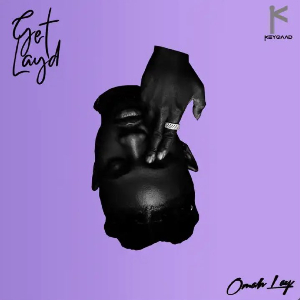
Since bursting onto the scene with his breakthrough EP “Get Layd,” Omah Lay has consistently demonstrated an ability to mine his personal experiences for compelling musical content. “Don’t Love Me” represents a continuation of this trend while pushing into even more vulnerable territory than his previous work. The song showcases his evolution as both a songwriter and vocalist, displaying a maturity that comes from genuine life experience rather than manufactured emotion. His ability to transform pain into art has become one of his defining characteristics as an artist, setting him apart in an increasingly crowded Afrobeats landscape.
The track also demonstrates Omah Lay’s skill at balancing accessibility with depth, creating music that works on multiple levels. Surface listeners can enjoy the melodic qualities and production values, while those seeking deeper meaning can find rich psychological terrain to explore. This multilayered approach has become a hallmark of his work, allowing him to maintain commercial appeal while satisfying critics and fans who crave substance alongside style.
Vulnerability in African Pop Culture
Omah Lay’s willingness to explore themes of emotional dysfunction and intimacy issues contributes to a growing trend of vulnerability in contemporary African pop music. Artists across the continent are increasingly moving away from purely celebratory themes to examine more complex emotional territories. “Don’t Love Me” fits into this broader movement while maintaining distinctly personal touches that prevent it from feeling like a trend-following exercise. The song’s exploration of masculine vulnerability is particularly noteworthy, addressing topics that are often considered taboo in traditional masculine expression.
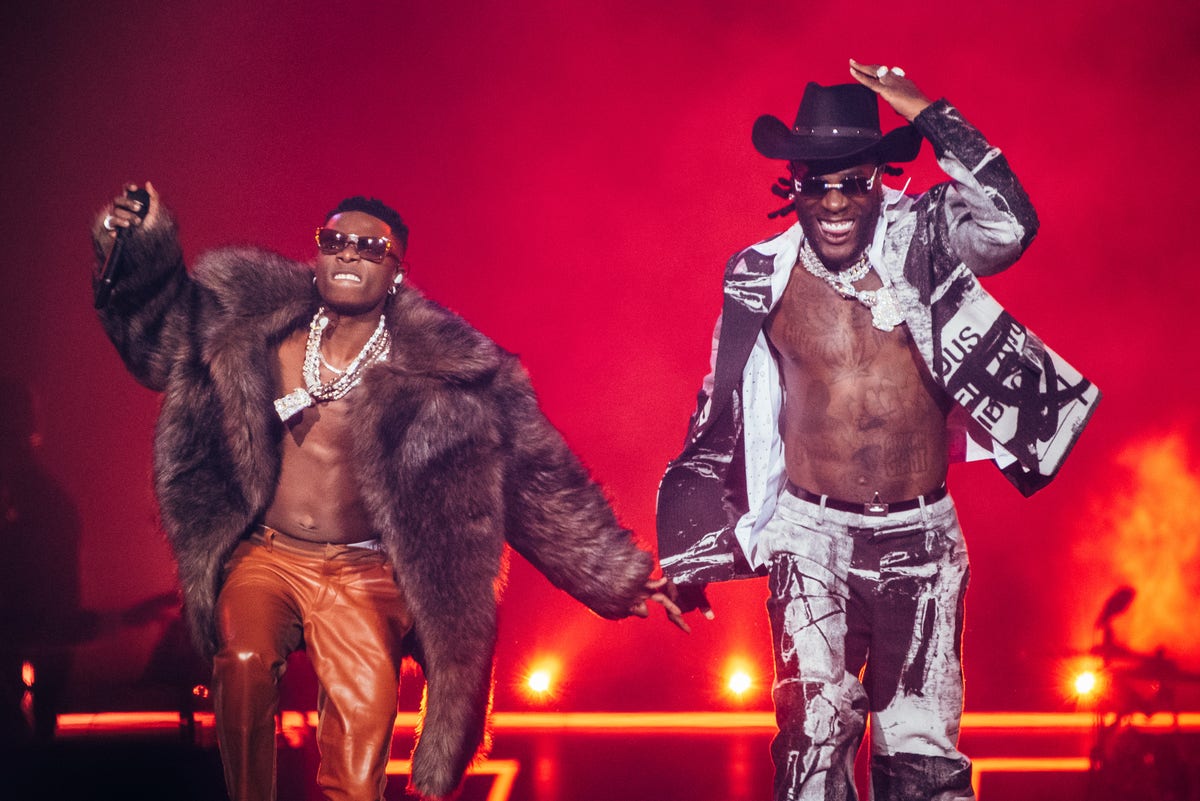
This shift toward emotional honesty in African pop music reflects broader cultural changes, with younger generations more willing to discuss mental health and emotional well-being openly. Omah Lay’s contribution to this conversation through “Don’t Love Me” helps normalize discussions about emotional unavailability and the psychological impact of modern dating culture. His platform allows these themes to reach audiences who might not otherwise engage with such topics, potentially sparking important conversations about emotional health and relationship dynamics.
Fan and Critical Response
The response to “Don’t Love Me” has highlighted Omah Lay’s ability to connect with audiences on deeply personal levels. Fans have praised the song’s honesty and relatability, with many noting how the track articulates feelings they’ve experienced but struggled to express. Critics have commended the sophisticated songwriting and Omah Lay’s vocal performance, particularly noting how he manages to convey vulnerability without sacrificing vocal power. The Colors Show performance has amplified this praise, with many considering it one of the platform’s most emotionally affecting sessions.
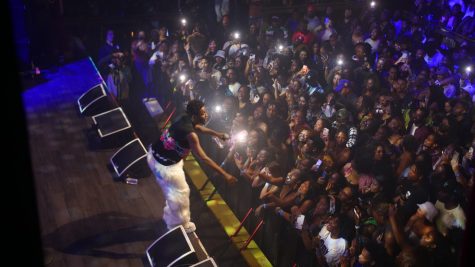
The song’s impact extends beyond simple entertainment, functioning as a cultural touchstone for discussions about modern romance and emotional health. Social media responses have ranged from personal testimonials to broader conversations about the normalization of emotional unavailability in contemporary culture. This level of engagement demonstrates Omah Lay’s growing influence not just as a musician but as a voice for his generation’s experiences and struggles. “Don’t Love Me” succeeds because it doesn’t offer easy answers or false hope, instead providing recognition and validation for complex emotional experiences that are often dismissed or oversimplified in popular music.