Table of Contents
- The Look That Divided Opinions
- Sarah Chen Speaks Out
- The Creative Process Behind the Bold Choice
- Fashion Risks and Red Carpet Reality
- Industry Support Pours In
- The Bigger Picture of Fashion Criticism
The Look That Divided Opinions
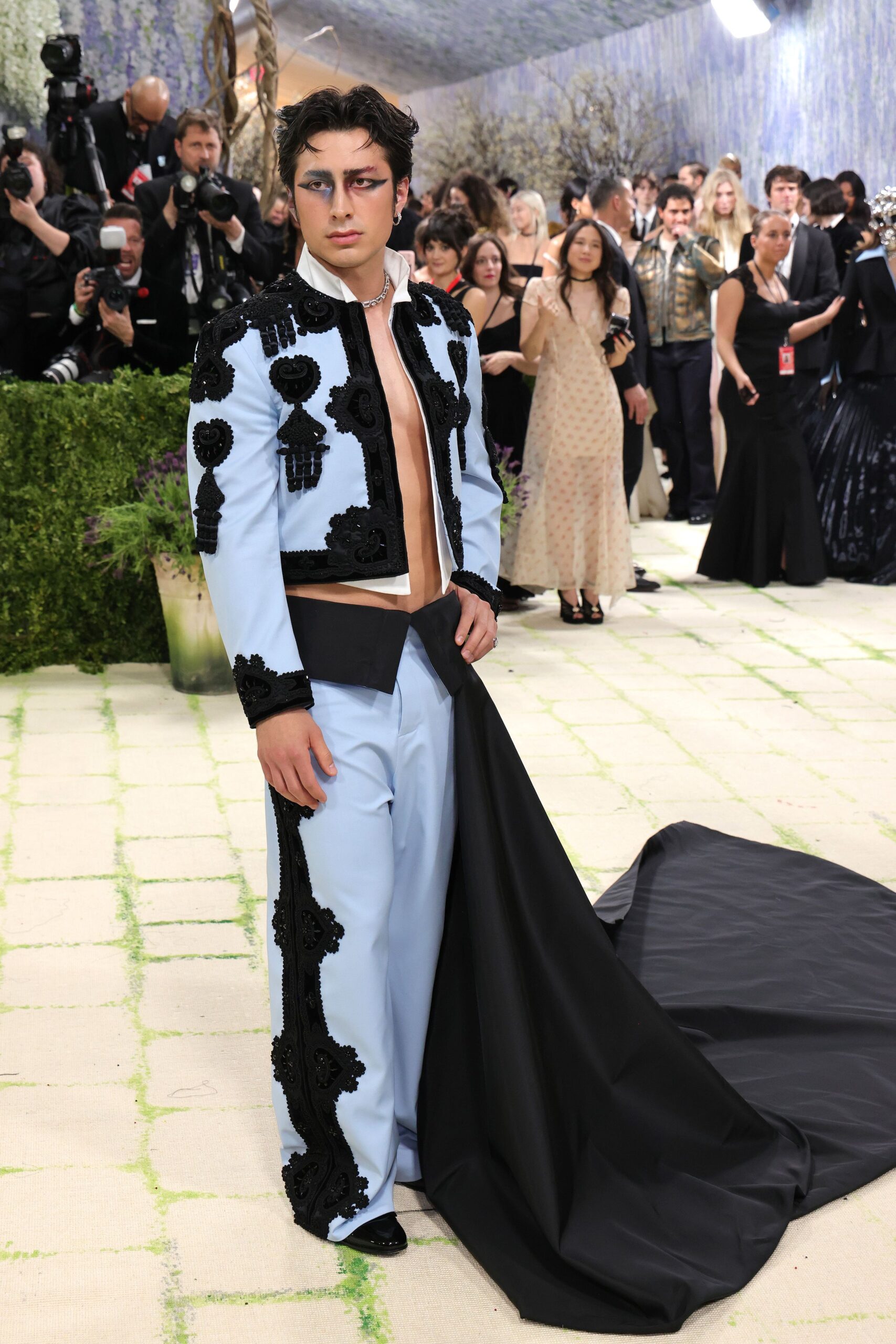
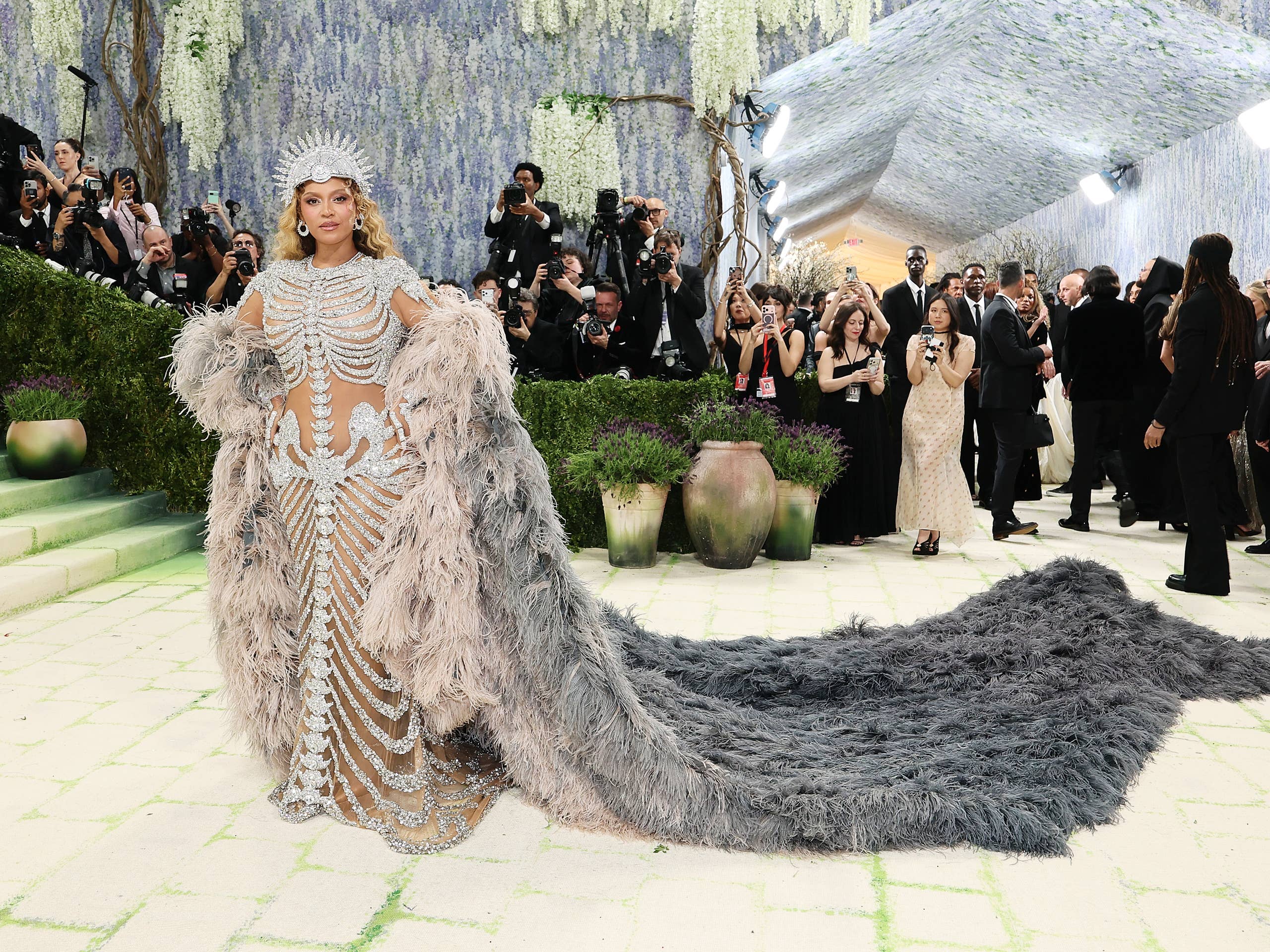
The 2026 Met Gala proved once again that fashion’s biggest night is never without controversy, and this year, Heated Rivalry star Hudson Williams found himself at the center of a passionate debate. The actor’s powder blue Balenciaga suit, complemented by an audacious red-and-blue makeup look, became one of the evening’s most polarizing moments. While many fans celebrated Williams’ commitment to the gala’s avant-garde spirit, a vocal contingent of critics took to social media to express their disapproval. The backlash was swift and, at times, surprisingly harsh, with some commentators questioning everything from the color palette to the execution of the overall concept.
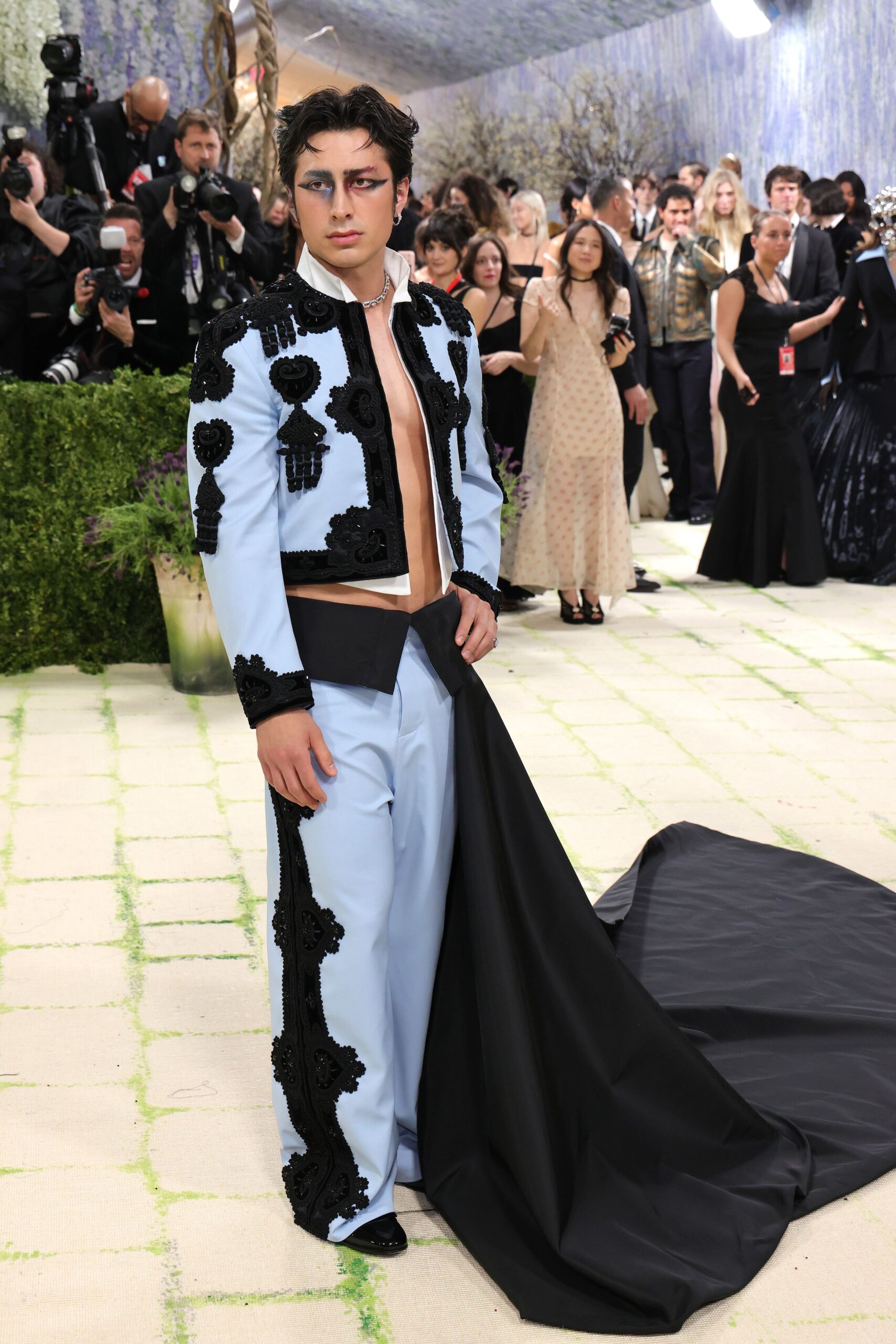
What made Williams’ look particularly striking was its deliberate departure from traditional masculine red carpet aesthetics. The actor, who has been making waves with his critically acclaimed performance in the Netflix series Heated Rivalry, has never shied away from fashion experimentation. However, this Met Gala appearance represented perhaps his boldest sartorial statement to date. The powder blue Balenciaga creation was perfectly tailored, but it was the dramatic makeup – featuring bold geometric patterns in red and blue that seemed to paint a story across his face – that truly captured attention and sparked the fiercest reactions.
Sarah Chen Speaks Out
Enter Sarah Chen, the mastermind behind Williams’ show-stopping makeup look and one of Hollywood’s most sought-after makeup artists. Chen, who has worked with everyone from A-list actors to Grammy-winning musicians, rarely engages with social media criticism. However, the intensity and personal nature of the attacks on her Met Gala creation prompted her to break her usual silence. In a series of Instagram stories that quickly went viral, Chen didn’t hold back in defending both her artistic vision and her client’s courage to embrace unconventional beauty standards.
Chen’s response was both professional and passionate, addressing the criticism head-on while educating her followers about the artistic process behind high-fashion makeup. She emphasized that the Met Gala has always been a platform for pushing creative boundaries, not playing it safe. Her defense highlighted the months of planning, collaboration, and artistic research that went into creating the look, countering suggestions that it was merely a random or poorly executed choice. The makeup artist also pointed out the double standard often applied to male celebrities who dare to experiment with beauty and fashion in ways that challenge traditional gender norms.
The Creative Process Behind the Bold Choice
According to Chen’s detailed explanation, the red-and-blue makeup design wasn’t arbitrary but deeply connected to this year’s Met Gala theme and Williams’ personal artistic journey. The geometric patterns were inspired by both contemporary digital art and classical painting techniques, creating a bridge between past and future that aligned perfectly with the gala’s conceptual framework. Chen revealed that she and Williams spent weeks developing the concept, experimenting with different color combinations and patterns before settling on the final design that would complement the Balenciaga suit while making its own bold statement.
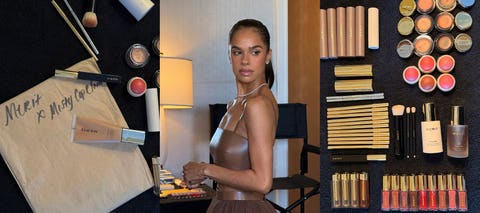
The technical execution of the look was equally impressive, requiring specialized products and techniques to achieve the precise lines and vibrant color payoff that photographed beautifully under the Met Gala’s intense lighting conditions. Chen explained that every element was carefully calculated, from the way the colors would interact with the powder blue fabric to how the geometric shapes would frame Williams’ facial features. The result was a cohesive artistic statement that transformed the actor into a living piece of contemporary art, exactly as intended for an event that celebrates the intersection of fashion and artistic expression.
Fashion Risks and Red Carpet Reality
Williams’ willingness to take such a significant fashion risk speaks to a broader evolution in red carpet culture, where celebrities are increasingly expected to make memorable statements rather than simply look conventionally attractive. The Met Gala, in particular, has become a showcase for artistic collaboration between celebrities, designers, and beauty professionals who view the event as an opportunity to create wearable art. Chen’s defense emphasized this artistic context, arguing that judging Met Gala looks by conventional beauty standards misses the entire point of the event’s creative mission.
The criticism also reflects ongoing tensions in fashion and beauty culture about gender expression and artistic freedom. Williams’ choice to wear dramatic, colorful makeup challenged traditional expectations about masculine presentation at formal events, a decision that inevitably attracts both praise and backlash. Chen noted that female celebrities routinely experiment with avant-garde makeup and fashion without facing the same level of personal attacks, highlighting the double standards that still persist in how we evaluate men’s fashion choices, particularly when they incorporate elements traditionally associated with feminine beauty.
Industry Support Pours In
Following Chen’s passionate defense, support began flooding in from across the entertainment and fashion industries. Fellow makeup artists, fashion designers, and celebrities rallied around both Williams and Chen, praising their collaborative vision and artistic courage. Many industry professionals used the moment to discuss the importance of creative risk-taking in fashion and the need to protect artists who push boundaries. The response highlighted the tight-knit nature of the fashion and beauty community, where professionals understand the skill, planning, and artistry required to execute such ambitious looks.
Several prominent figures in the fashion world specifically commended Williams for his willingness to fully commit to the artistic vision, noting that many celebrities shy away from truly bold choices for fear of criticism. The support wasn’t just professional courtesy – many genuinely admired the technical execution and creative concept behind the look. Fashion photographers and stylists shared behind-the-scenes insights about how striking the look appeared in person, with some noting that photographs couldn’t fully capture the sophisticated interplay between the makeup, styling, and lighting that made the overall presentation so impactful.
The Bigger Picture of Fashion Criticism
The controversy surrounding Williams’ Met Gala look and Chen’s subsequent defense raises important questions about how we consume and critique fashion in the social media age. The immediate, often harsh nature of online criticism can overshadow the artistic intention and technical skill behind high-fashion looks, reducing complex creative collaborations to simple “like” or “dislike” reactions. Chen’s response served as both a defense of her specific work and a broader call for more thoughtful, informed fashion criticism that considers context, intention, and execution rather than just immediate visual impact.
As the dust settles on this fashion controversy, Williams’ bold Met Gala moment and Chen’s passionate defense may be remembered as a turning point in conversations about artistic freedom, gender expression, and the role of criticism in fashion culture. The incident demonstrates that while fashion risks will always generate debate, they also create opportunities for important discussions about creativity, identity, and the evolving nature of beauty standards. For Chen and Williams, the criticism may sting, but their willingness to stand behind their artistic vision ultimately contributes to the ongoing evolution of fashion as a form of personal and cultural expression.