
Table of Contents
- The Modern Fantasy Golden Age
- Cultural Phenomena That Started as Books
- The Rise of Diverse Voices in Fantasy
- The Top 10 Fantasy Books That Changed Everything
- Why These Books Continue to Matter
The Modern Fantasy Golden Age
The last quarter-century has witnessed an unprecedented boom in fantasy literature, transforming what was once considered a niche genre into a dominant force in popular culture. This renaissance began in the late 1990s and has only gained momentum, producing works that have not only topped bestseller lists but have fundamentally altered how we view storytelling in the 21st century. From complex political intrigue to diverse mythologies drawn from cultures around the world, modern fantasy has shed its stereotypical associations with wizards and dragons to embrace sophisticated narratives that tackle real-world issues through fantastical lenses. The genre’s evolution has been marked by increasingly complex character development, morally ambiguous protagonists, and world-building that rivals the depth of actual historical periods.
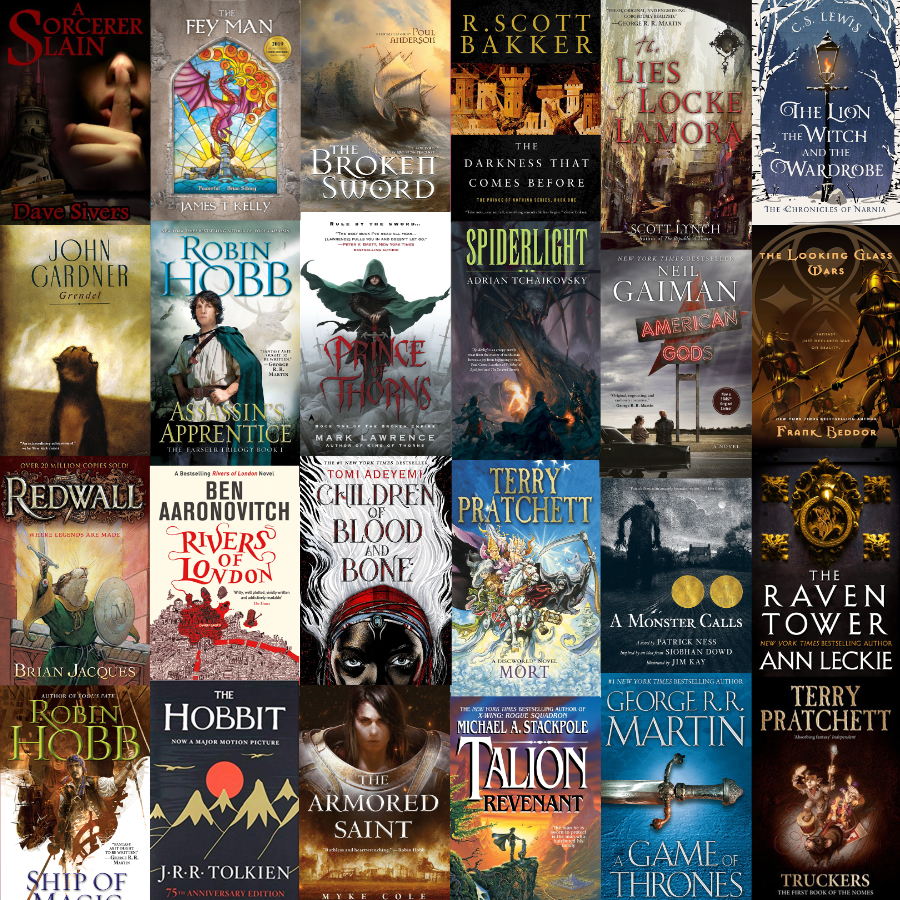
What sets the fantasy literature of the past 25 years apart from its predecessors is its willingness to subvert traditional tropes while maintaining the escapist elements that make the genre so compelling. Authors have moved beyond the simple good-versus-evil narratives that dominated earlier fantasy works, instead crafting stories where heroes can be villains, magic comes with devastating costs, and happy endings are never guaranteed. This shift has coincided with major technological and social changes in our world, allowing fantasy authors to explore themes of power, identity, and social justice through the safe distance of imaginary realms. The result has been a literary movement that speaks to contemporary anxieties while providing the wonder and adventure that readers crave.
Cultural Phenomena That Started as Books
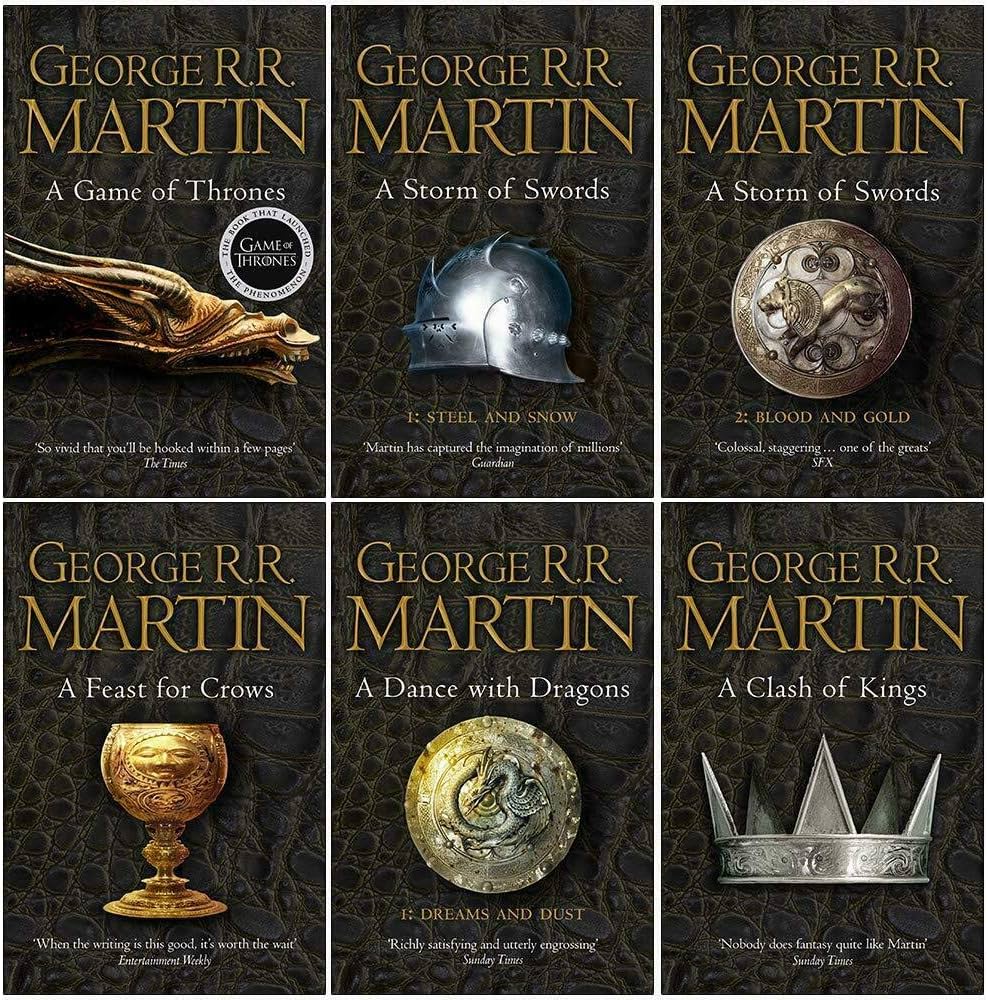
The influence of fantasy literature over the past two and a half decades extends far beyond the publishing world, spawning multimedia empires that have reshaped entertainment as we know it. George R.R. Martin’s “A Song of Ice and Fire” series, beginning with “A Game of Thrones” in 1996, perhaps best exemplifies this phenomenon. While the HBO adaptation certainly amplified its cultural impact, the books themselves had already begun revolutionizing fantasy literature with their unflinching portrayal of political machinations and their willingness to kill off major characters without warning. Martin’s work proved that fantasy could be both critically acclaimed and commercially successful, paving the way for countless other authors to push the boundaries of what the genre could accomplish.
The ripple effects of these literary successes have been felt across multiple entertainment mediums. Publishing houses began actively seeking out epic fantasy series with adaptation potential, leading to increased diversity in both authors and story types. Streaming services and television networks started viewing fantasy properties as prestige content rather than niche programming, resulting in massive investments in shows like “The Witcher,” “The Wheel of Time,” and “Shadow and Bone.” This cycle has created a feedback loop where successful books drive visual adaptations, which in turn introduce new readers to the source material and inspire more authors to enter the fantasy space. The genre’s mainstream acceptance has also influenced video games, graphic novels, and even fashion, with fantasy aesthetics becoming increasingly prevalent in popular culture.
The Rise of Diverse Voices in Fantasy
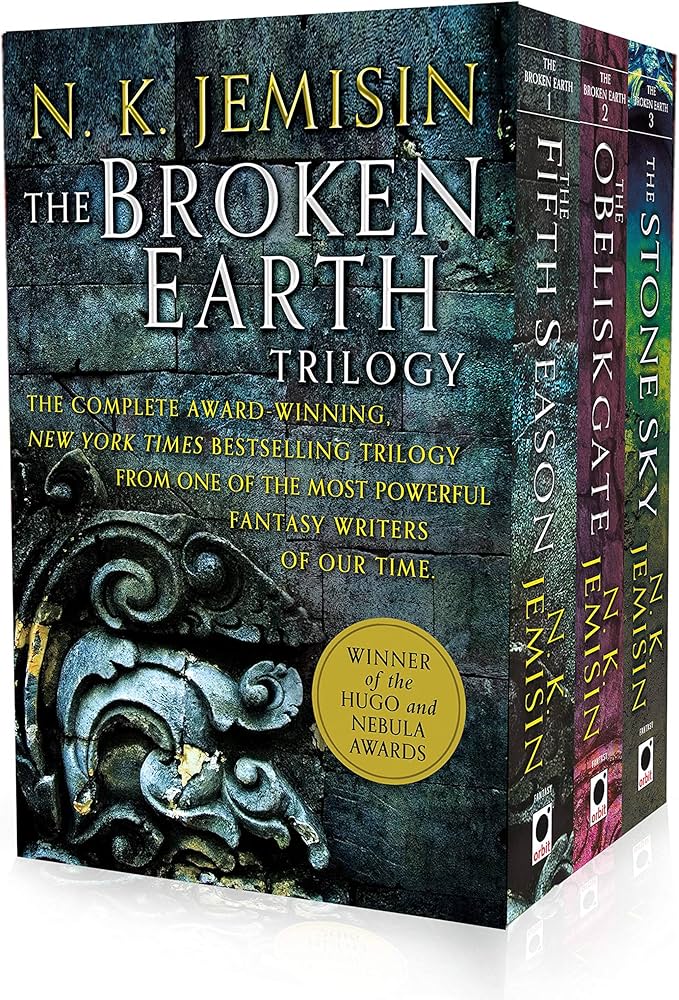
One of the most significant developments in fantasy literature over the past 25 years has been the emergence of diverse voices bringing fresh perspectives to the genre. Authors like N.K. Jemisin, Tomi Adeyemi, and Rebecca Roanhorse have drawn from their own cultural backgrounds to create fantasy worlds that move beyond the European-inspired settings that dominated earlier works. Jemisin’s “Broken Earth” trilogy, which made history by winning three consecutive Hugo Awards, demonstrates how fantasy can address issues of oppression and systemic violence while maintaining the genre’s sense of wonder. Her work has opened doors for other authors of color and proven that fantasy readers are hungry for stories that reflect the diversity of our actual world.
This diversification has enriched fantasy literature immeasurably, introducing readers to mythologies, folklore, and storytelling traditions from cultures around the globe. Tomi Adeyemi’s “Children of Blood and Bone” brought West African mythology to young adult fantasy, while authors like Silvia Moreno-Garcia have incorporated Latin American magical traditions into their work. The success of these diverse voices has forced the publishing industry to confront its own biases and actively seek out underrepresented perspectives. More importantly, it has shown that fantasy’s power lies not in maintaining familiar tropes but in its ability to help readers imagine different ways of being in the world. These authors have expanded the genre’s emotional and intellectual range while proving that commercial success and cultural significance can go hand in hand.
The Top 10 Fantasy Books That Changed Everything
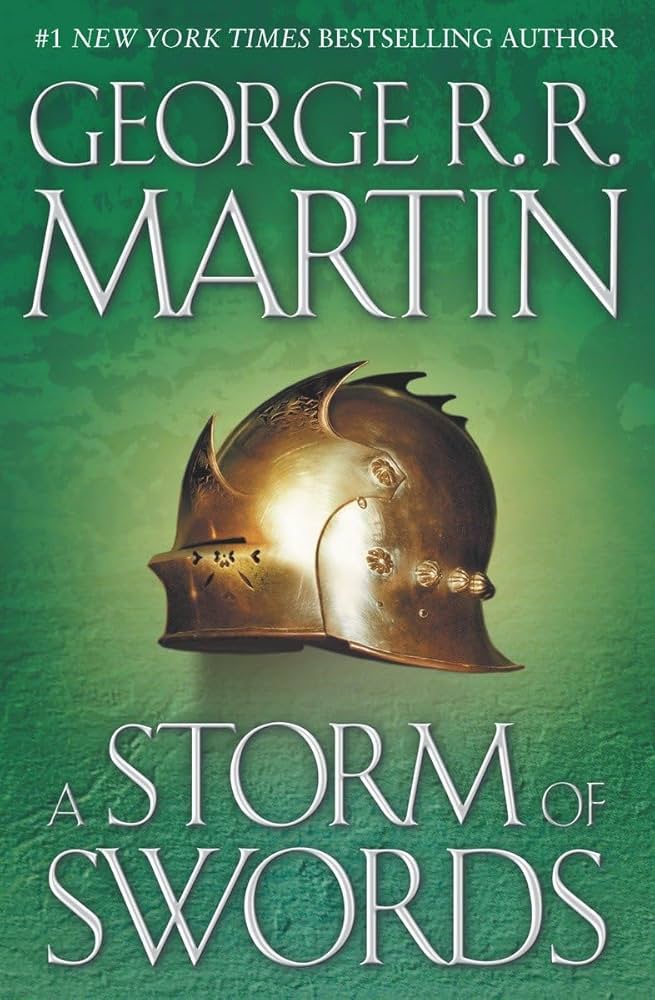
Ranking the greatest fantasy books of the last 25 years requires balancing literary merit, cultural impact, and lasting influence. At the top of this list sits George R.R. Martin’s “A Storm of Swords” (2000), the third installment in his epic series that delivered some of the most shocking and memorable moments in fantasy literature. Following closely is N.K. Jemisin’s “The Fifth Season” (2015), which revolutionized the genre with its innovative narrative structure and unflinching examination of power dynamics. Robin Hobb’s “Assassin’s Quest” (1997) rounds out the top three with its emotionally devastating conclusion to the Fitz and Fool trilogy, proving that fantasy could achieve the psychological depth of literary fiction.
The middle tier includes Patrick Rothfuss’s “The Name of the Wind” (2007), which brought lyrical prose and metafictional elements to epic fantasy, and Joe Abercrombie’s “The Blade Itself” (2006), which helped establish the “grimdark” subgenre with its morally complex characters. Tomi Adeyemi’s “Children of Blood and Bone” (2018) earned its place through its cultural significance and commercial success, while Neil Gaiman’s “American Gods” (2001) blended fantasy with contemporary American culture in unprecedented ways. The final three spots go to Brandon Sanderson’s “The Way of Kings” (2010) for its innovative magic systems, Terry Pratchett’s “Night Watch” (2002) for proving fantasy could be both hilarious and profound, and Susanna Clarke’s “Jonathan Strange & Mr Norrell” (2004) for its unique take on historical fantasy. Each of these works has contributed something essential to the genre’s evolution and continues to influence new generations of writers.
Why These Books Continue to Matter
The fantasy books that have defined the last 25 years continue to resonate because they’ve managed to capture universal human experiences within extraordinary circumstances. These works have demonstrated that fantasy literature can be a powerful tool for exploring complex themes like trauma, identity, power, and belonging while still providing the escapism that draws readers to the genre in the first place. Their lasting impact can be measured not just in sales figures or adaptation deals, but in how they’ve changed reader expectations and inspired countless other authors to push creative boundaries. The sophisticated character development, intricate world-building, and thematic depth of these novels have elevated fantasy literature’s reputation within the broader literary community.
Looking forward, the influence of these groundbreaking works continues to shape new publications and emerging authors. The success of diverse voices has opened publishing doors that seemed permanently closed just a decade ago, while the proven commercial viability of complex fantasy narratives has encouraged publishers to take risks on innovative storytelling approaches. These books have also established fantasy literature as a legitimate space for social commentary and cultural criticism, allowing authors to address contemporary issues through the metaphorical distance of imaginary worlds. As streaming services continue to mine fantasy literature for adaptation material and new authors bring fresh perspectives to the genre, the books on this list serve as both inspiration and benchmark for what fantasy literature can achieve. Their legacy lies not just in their individual excellence, but in how they’ve collectively transformed fantasy from a niche genre into one of literature’s most vital and dynamic forms.