Table of Contents
- A Comedian Takes on Hollywood’s Pricing Problem
- The “Nate Rate” Revolution
- From Stand-Up Stages to Silver Screen
- Theater Chains Join the Movement
- A New Model for Entertainment Accessibility
A Comedian Takes on Hollywood’s Pricing Problem
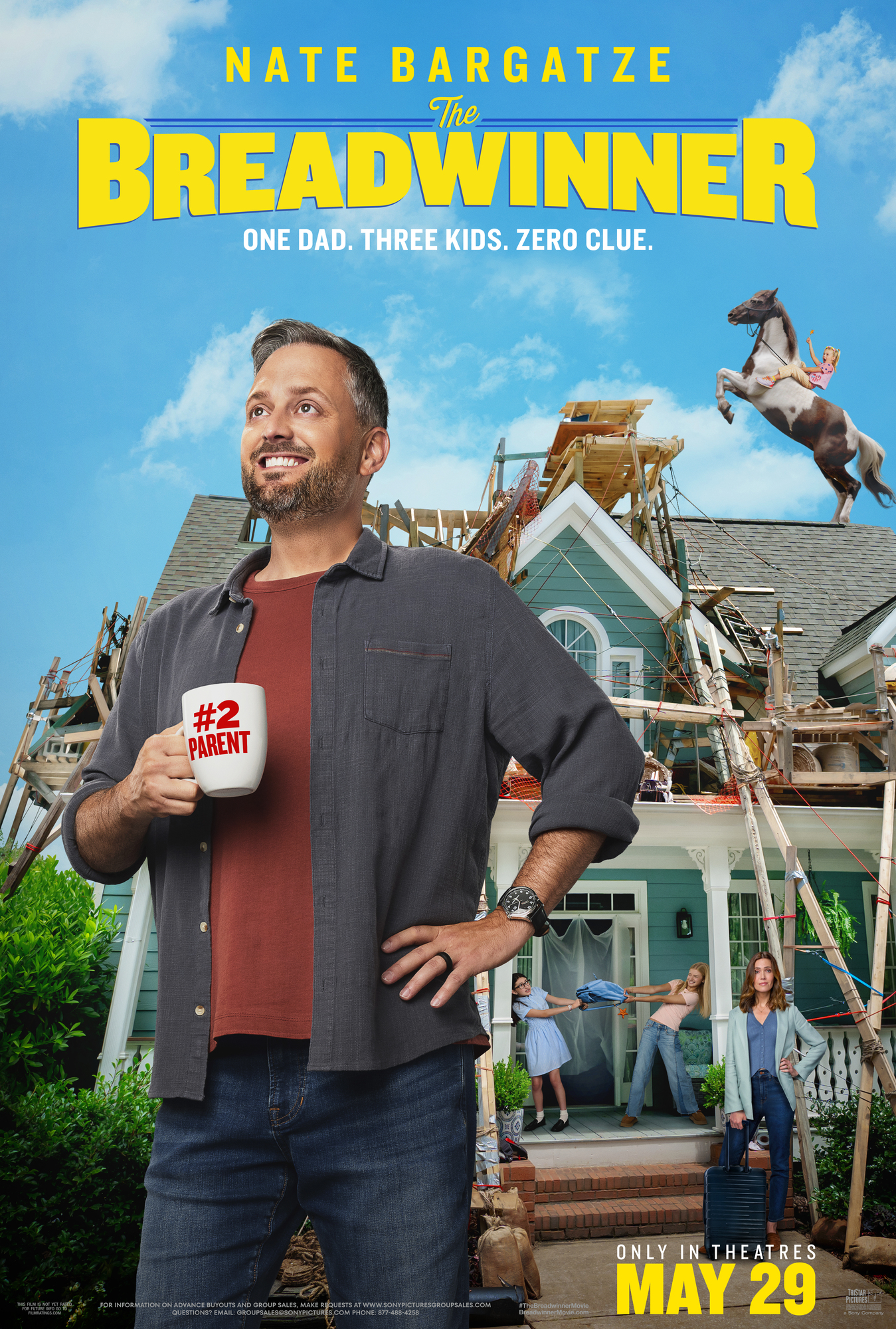
In an era where moviegoers routinely shell out $15-20 for a single ticket, comedian Nate Bargatze is taking a refreshingly different approach to his feature film debut. The Tennessee native, known for his self-deprecating humor and everyman appeal, announced via Instagram on Friday that he’s launching the “Nate Rate” pricing program to ensure his upcoming movie “The Breadwinner” remains accessible to families and fans across all income levels. The initiative represents a rare instance of a performer actively working to lower admission costs rather than maximize opening weekend revenue. Bargatze’s announcement has already sparked conversations about pricing equity in entertainment and whether other stars might follow his lead.
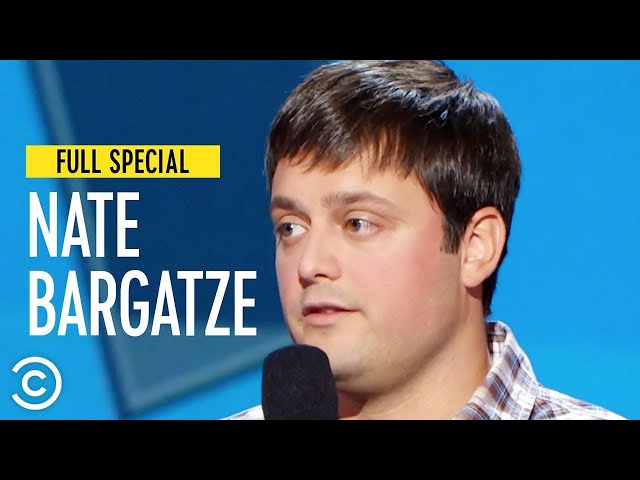
The comedian’s decision reflects his understanding of his core audience, many of whom have supported him through years of club performances, comedy specials, and podcast appearances before he achieved mainstream success. Unlike many Hollywood debuts that prioritize premium pricing strategies, Bargatze seems genuinely committed to maintaining the accessibility that has always characterized his comedy. His Friday Instagram video emphasized that entertainment shouldn’t be a luxury reserved for those with disposable income, a philosophy that aligns perfectly with his down-to-earth comedic persona. The announcement has resonated particularly well with families, who often face significant financial barriers when considering movie outings for multiple family members.
The “Nate Rate” Revolution
The “Nate Rate” program represents more than just discounted tickets – it’s a comprehensive approach to making cinema more inclusive. According to industry sources, participating theaters will offer significantly reduced pricing for “The Breadwinner,” with some locations reportedly offering tickets for as low as $5-8 compared to standard rates that often exceed $15 in major markets. The program specifically targets families, students, and seniors, demographics that have been increasingly priced out of regular moviegoing experiences. Bargatze’s team has worked directly with theater chains to ensure the reduced pricing doesn’t negatively impact the venues’ profitability, suggesting a collaborative rather than confrontational approach to industry change.
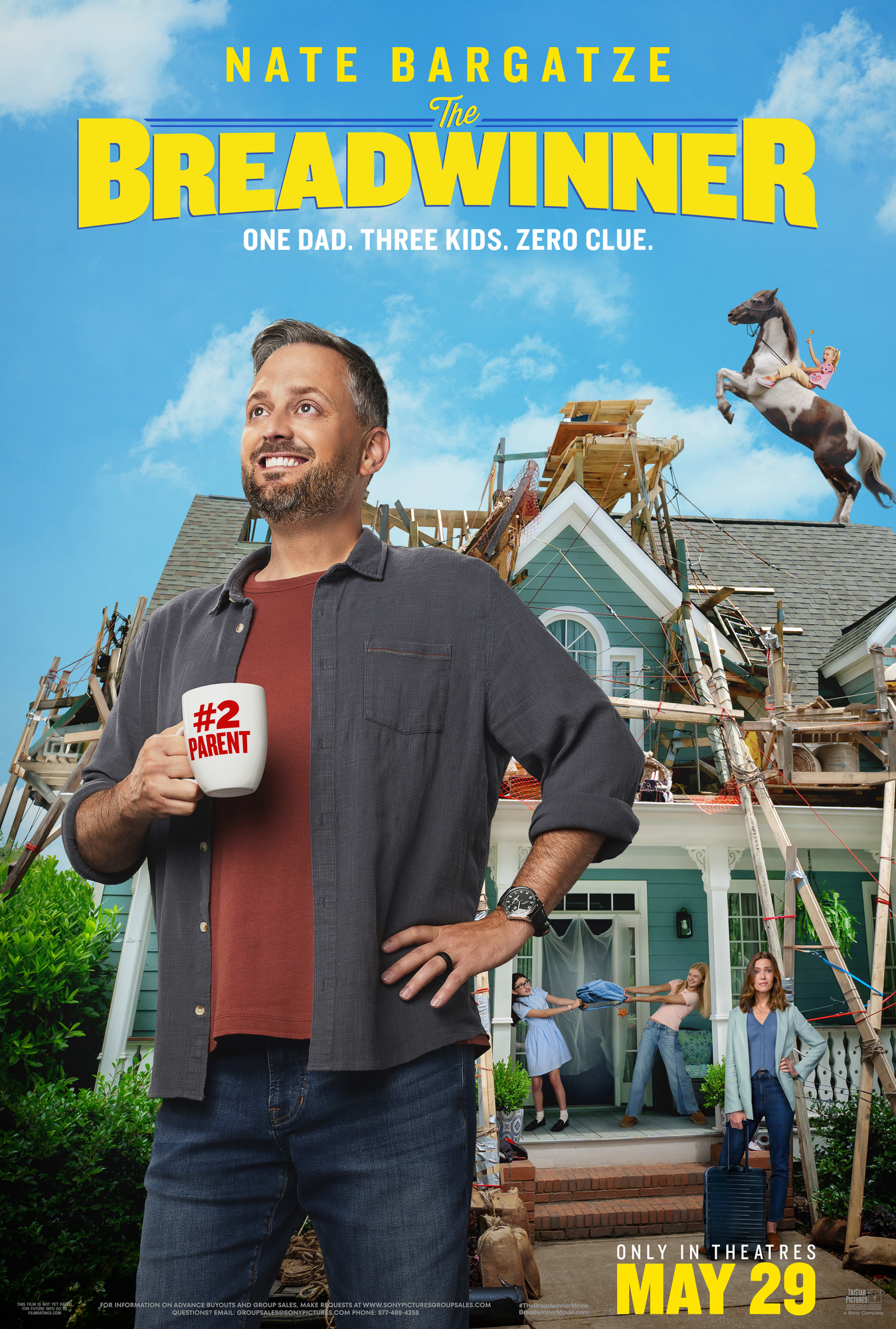
What makes this initiative particularly noteworthy is its timing and scope. Rather than implementing reduced pricing as a last resort to boost flagging ticket sales, Bargatze announced the program well in advance of the film’s release, making affordability a core part of the movie’s marketing strategy. The comedian has indicated that he’s personally absorbing some of the revenue loss to make the program viable, demonstrating a level of financial commitment that goes beyond typical promotional discounts. Early reports suggest that several major theater chains have already signed on to participate, indicating industry willingness to experiment with alternative pricing models when star talent provides leadership and financial backing.
From Stand-Up Stages to Silver Screen
“The Breadwinner” marks Bargatze’s first starring role in a feature film, representing a significant career evolution for the comedian who has built his reputation through stand-up specials and television appearances. The movie reportedly draws on themes familiar to Bargatze’s comedy – family dynamics, working-class struggles, and the humor found in everyday life challenges. While specific plot details remain under wraps, industry insiders suggest the film maintains the authentic, observational style that has made Bargatze one of the most relatable voices in contemporary comedy. His transition to film comes at the peak of his stand-up career, following successful Netflix specials and sold-out touring runs that have established him as a major comedic force.
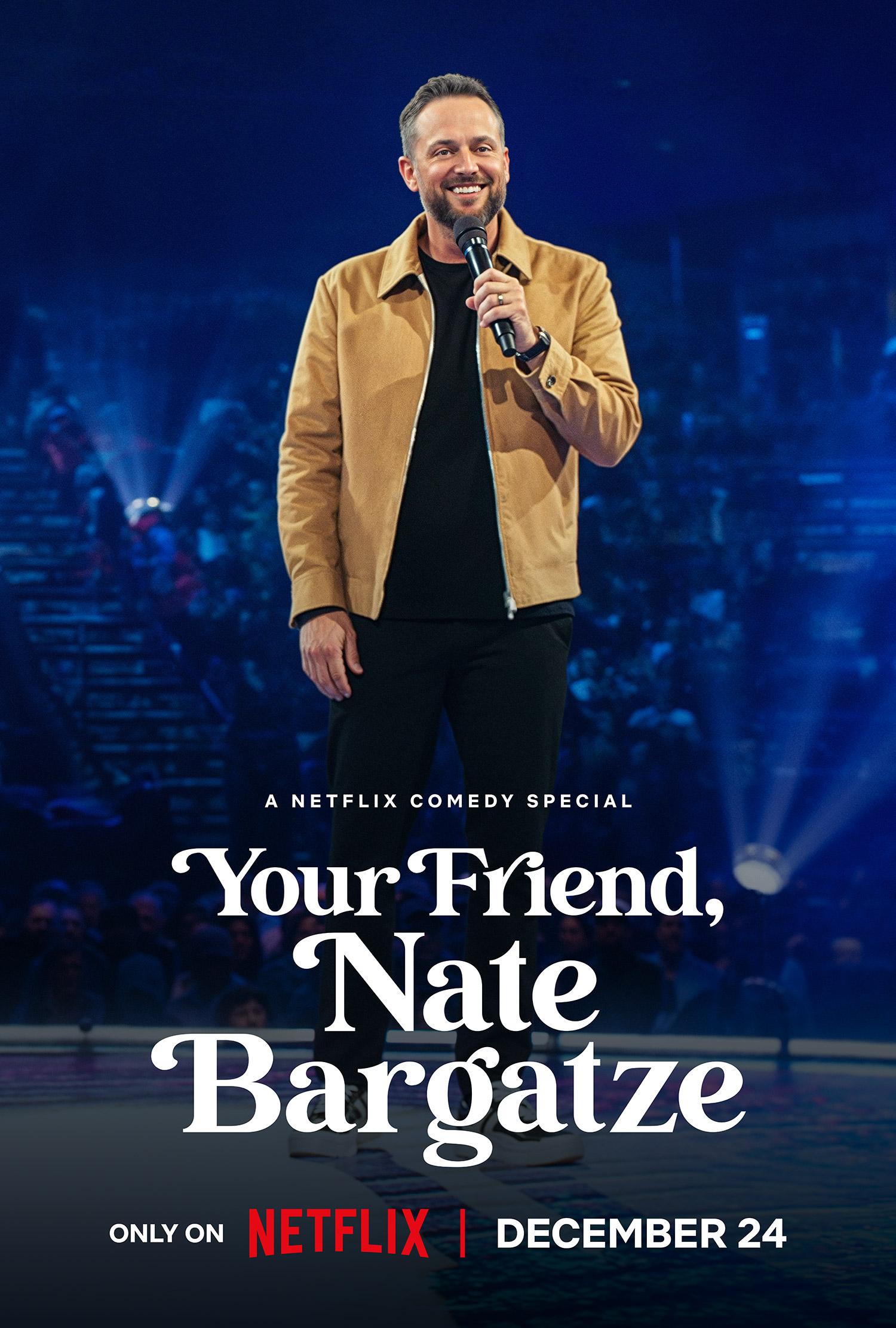
The comedian’s approach to his film debut reflects the same unpretentious attitude that has defined his career trajectory. Rather than pursuing a high-concept blockbuster or Oscar-bait dramatic role, Bargatze has chosen material that allows him to remain true to his comedic identity while exploring new creative territory. Industry observers note that his decision to prioritize accessibility over maximum profit margins suggests a long-term view of his film career rather than a quick cash grab. The choice to make affordability central to the film’s rollout also serves as effective marketing, generating positive publicity and goodwill that could translate into stronger word-of-mouth promotion than traditional advertising campaigns might achieve.
Theater Chains Join the Movement
The response from theater operators has been surprisingly positive, with several major chains already confirming participation in the “Nate Rate” program. Industry executives, typically resistant to pricing experiments that might reduce revenue per ticket, seem intrigued by the potential for increased volume and customer loyalty that affordable pricing might generate. Some theater owners have noted that reduced ticket prices could lead to higher concession sales, as moviegoers who save money on admission might be more willing to purchase food and beverages. The program also offers theaters an opportunity to attract demographics that have become increasingly rare in cinemas, particularly families with children and older adults on fixed incomes.

Several regional theater chains have indicated they’re viewing the “Nate Rate” program as a pilot test for broader pricing flexibility in the future. The traditional model of uniform pricing across all films and showtimes has come under increasing scrutiny as streaming services offer more competitive entertainment options at home. Bargatze’s initiative provides a real-world laboratory for testing whether reduced prices can generate sufficient additional attendance to offset lower per-ticket revenue. Early pre-sale data suggests strong consumer interest, with some participating theaters reporting higher-than-expected advance ticket purchases compared to similar releases.
A New Model for Entertainment Accessibility
Bargatze’s “Nate Rate” initiative arrives at a crucial moment for the film industry, as theaters continue recovering from pandemic-related attendance declines and competing with increasingly sophisticated home entertainment options. The comedian’s approach suggests a potential path forward that prioritizes audience building over short-term profit maximization, a strategy that could prove particularly valuable for performers seeking to establish long-term fan relationships. Industry analysts are watching closely to see whether other entertainers might adopt similar pricing strategies for their projects, potentially creating a new category of “accessible entertainment” that serves underrepresented demographics.

The broader implications extend beyond just movie pricing to questions about how entertainment figures can use their platforms to address economic inequality and accessibility. Bargatze’s initiative demonstrates that individual performers can take meaningful action to make their work more inclusive without waiting for industry-wide policy changes. The program’s success or failure could influence how future film releases are priced and marketed, particularly for comedy films targeting working-class audiences. As the entertainment industry continues evolving in response to changing consumer behavior and economic pressures, initiatives like the “Nate Rate” program may represent early examples of a more socially conscious approach to content distribution and pricing.
Whether “The Breadwinner” succeeds commercially remains to be seen, but Bargatze has already achieved something significant by putting affordability at the center of his film debut strategy. His willingness to sacrifice potential revenue for broader accessibility reflects the same authentic, audience-first approach that has defined his comedy career and could establish a new model for how entertainers can use their success to benefit their communities and fans.