
Table of Contents
- Average Wedding Band Costs in 2026
- Cost by Band Size
- Cost by Location
- Factors That Affect Wedding Band Pricing
- Types of Wedding Bands and Their Price Ranges
- What Is Typically Included in the Price
- Hidden Costs and Extra Charges
- How to Get Great Music on a Tight Budget
- Tips for Booking the Right Band
- Key Takeaways
- Frequently Asked Questions
Average Wedding Band Costs in 2026
If you are planning a wedding and researching how much does a wedding band cost, the national average in 2026 falls between $3,500 and $7,500 for a four-hour reception performance. However, this average masks enormous variation – wedding bands can cost as little as $1,000 for a duo or trio in a smaller market, or as much as $25,000 to $50,000+ for a premium 10-piece band in a major city.
According to The Knot’s 2025 Real Weddings Study, couples spent an average of $4,200 on wedding entertainment (including DJs), with those who hired live bands spending approximately $5,800 on average. Wedding bands consistently rank among the top five expenses that couples say were “worth every penny” in post-wedding surveys, reflecting the outsized impact that live music has on the reception experience.
Understanding how much a wedding band costs requires looking at the specific variables that drive pricing – band size, geographic market, genre specialization, the day and time of your wedding, and the band’s reputation and demand level. This guide breaks down each factor so you can budget accurately and find the right band for your celebration.

Cost by Band Size
Band size is the most significant factor in how much a wedding band costs. Each additional musician adds to the sound, the energy, and the price tag.
Solo performer: $500 to $1,500. A solo acoustic guitarist, pianist, or vocalist with a keyboard. Best suited for ceremonies and cocktail hours rather than dance-heavy receptions. A solo performer creates an intimate, elegant atmosphere but lacks the energy and volume range of a full band.
Duo: $1,000 to $2,500. Typically a vocalist/guitarist paired with a pianist, bassist, or second guitarist. A duo provides more variety than a solo act while keeping costs low. Some duos use backing tracks to fill out their sound, which can be surprisingly effective for smaller receptions.
Trio: $1,500 to $3,500. Usually vocals, guitar, and bass or keyboards. A trio is the minimum configuration that starts to feel like a “band” rather than a background music setup. With a skilled trio, you get enough sonic range to cover cocktail background music and dancing.
Four-piece: $2,500 to $5,000. The classic rock band configuration – vocals, guitar, bass, and drums. This is the most popular wedding band size because it provides real energy for dancing at a moderate price point. A four-piece can handle everything from dinner background music to a packed dance floor.
Five to six piece: $4,000 to $8,000. Adding a keyboardist and/or a second vocalist to the four-piece dramatically expands the song repertoire and sound fullness. This is often the sweet spot for couples who want an impressive band without a premium price tag.
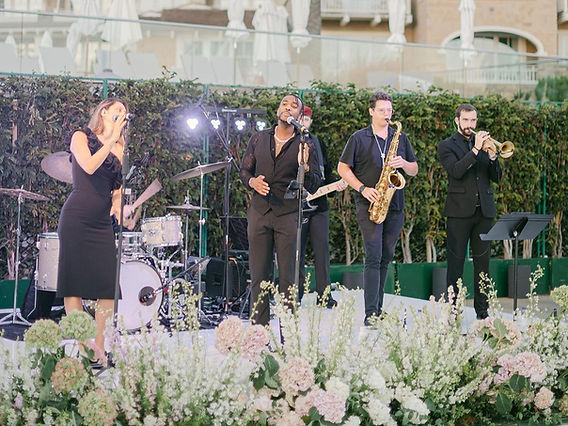
Seven to ten piece: $6,000 to $15,000. Adding a horn section (trumpet, saxophone, trombone), additional vocalists, or percussion creates a big, dynamic sound that fills large venues and energizes dance floors. Premium society bands in this size range are the gold standard for high-end weddings.
Ten to fourteen piece (party bands): $10,000 to $25,000+. Full-scale party bands with horn sections, multiple vocalists, and sometimes string players. These are the bands that play at celebrity weddings and high-society events. They deliver a concert-level experience and are typically booked 12 to 18 months in advance.
Cost by Location
Geographic market is the second biggest driver of how much a wedding band costs. The same quality band can cost twice as much in one city compared to another.
Major metropolitan areas (New York, Los Angeles, San Francisco, Chicago, Boston): Four-piece bands typically start at $4,000 to $6,000. Premium bands in these markets range from $8,000 to $20,000+. New York City has the highest wedding band prices in the country, with popular bands commonly charging $10,000 to $15,000 for a four-hour reception performance.
Mid-tier cities (Austin, Nashville, Denver, Portland, Atlanta, Miami): Four-piece bands typically range from $2,500 to $5,000. Nashville and Austin tend to be on the higher end of this range because both cities have dense pools of exceptional musicians. Atlanta and Miami also command higher rates due to strong demand.
Smaller cities and rural areas: Four-piece bands typically range from $1,500 to $3,500. The lower cost reflects lower cost of living and less competition among couples for top bands. However, availability may be more limited, meaning popular bands still book far in advance.
Destination weddings: Add 30% to 100% to the band’s standard rate for destination weddings, plus travel expenses. A band traveling from Nashville to perform at a beach wedding in Cancun will charge their performance fee plus airfare, hotel accommodations for the group, and per diem for meals. For a five-piece band, travel costs alone can add $3,000 to $8,000 to the total.
Factors That Affect Wedding Band Pricing
Beyond size and location, several other factors influence how much a wedding band costs for your specific event.
Day of the week: Saturday evenings are peak demand and command the highest prices. Friday evenings typically cost 10% to 20% less. Sunday afternoon or weekday weddings can save 20% to 40% because bands are less likely to be booked and are more willing to negotiate.
Season: Wedding season (May through October in most US markets) sees the highest prices and earliest bookings. Winter weddings (November through March, excluding late December) often benefit from lower rates and better availability.
Performance duration: Most bands quote for four hours of performance, which typically covers cocktail hour through the last dance. Additional hours are billed separately, usually at $500 to $1,500 per hour depending on band size. Some couples save by hiring the band for three hours (dancing only) and using a DJ or playlist for cocktail hour and dinner.
Band reputation and demand: A band with a three-year waitlist, celebrity endorsements, or a viral social media presence charges a premium because demand exceeds supply. These bands may charge two to three times the market rate for their size and location because they can.
Learning new songs: Most bands have an extensive repertoire of standard wedding songs. If you want them to learn a specific song – your first dance song, for example – that is not in their repertoire, some bands include one to two custom songs for free, while others charge $50 to $200 per additional song learned.
Types of Wedding Bands and Their Price Ranges
Not all wedding bands are the same. Understanding the different types helps you match your musical vision with your budget when researching how much a wedding band costs.
Cover bands/party bands ($2,500 to $10,000): The most common type of wedding band. They play a wide range of popular songs across decades and genres – Motown, classic rock, pop hits, R&B, and current chart-toppers. A good cover band gets everyone on the dance floor regardless of age or musical preference.
Jazz ensembles ($1,500 to $6,000): Ideal for cocktail hours, dinner service, and more sophisticated receptions. A jazz trio (piano, bass, drums) or quartet (add saxophone or guitar) creates an elegant, upscale atmosphere. Some jazz ensembles also offer a “party set” for dancing later in the evening.
String quartets ($800 to $2,500): Two violins, viola, and cello. Perfect for ceremonies and cocktail hours. Many string quartets now play contemporary pop arrangements alongside classical repertoire, offering a unique twist on modern songs. They typically do not play for dance portions of the reception.
Specialty and cultural bands ($2,000 to $10,000+): Klezmer bands, mariachi groups, salsa bands, Afrobeat ensembles, bhangra bands, Celtic bands, or any ensemble specializing in a specific cultural tradition. Pricing varies widely based on band size and market. A mariachi group of five to seven musicians typically costs $2,000 to $5,000 for a four-hour performance.
Celebrity and premium bands ($15,000 to $100,000+): Elite wedding bands that perform at high-profile events. Bands like Hank Lane (New York), Elan Artists (multiple cities), and East Coast Entertainment groups command premium rates for their showmanship, extensive repertoires, and flawless execution. Hiring an actual famous musician or band for a private wedding typically starts at $50,000 and can reach seven figures.
What Is Typically Included in the Price
Standard inclusions: Performance time (usually four hours), band’s own PA/sound system and basic lighting, setup and teardown time, rehearsal time to prepare your requested songs, a designated point of contact (bandleader or manager) for coordination, and MC services (announcing the first dance, cake cutting, bouquet toss).
Common add-ons that may or may not be included: Cocktail hour music (sometimes included, sometimes billed separately), overtime charges, DJ services for breaks (many bands provide a DJ to play music during band breaks), and enhanced lighting or stage production.
What is NOT typically included: Meals for band members (most contracts require the venue to provide a hot meal for each musician), travel and accommodation for out-of-town performances, extended overtime beyond the contracted hours, and special equipment requests (additional stage risers, premium lighting, etc.).
Hidden Costs and Extra Charges
Understanding the full picture of how much a wedding band costs means accounting for costs that do not appear in the initial quote.
Overtime: If your reception runs late (and they often do), overtime is charged per hour, typically at a premium rate. For a five-piece band charging $5,000 for four hours, overtime might be $1,000 to $1,500 per additional hour. Discuss overtime rates upfront and decide in advance whether you want the option.
Band meals: Most contracts require the venue to provide a meal for each band member. If your venue charges $75 to $150 per head for dinner, feeding a five-piece band adds $375 to $750 to your catering bill. Some couples arrange a less expensive meal option for vendors.
Travel surcharges: If the band needs to travel more than 30 to 50 miles from their base, a travel fee may apply. This is separate from the mileage and accommodation costs for true destination performances.
Taxes and gratuity: Band quotes may not include sales tax (which applies in many states) or service charges. A 15% to 20% tip for the band is customary and appreciated, though not required. For a $5,000 band, add $500 to $1,000 for tax and gratuity.
Insurance requirements: Some venues require performers to carry liability insurance. Most professional bands already have this, but verify to avoid last-minute complications.
How to Get Great Music on a Tight Budget
Book off-peak: Friday evening or Sunday afternoon weddings cost less, and bands are more willing to negotiate because they have fewer competing offers for those dates.
Reduce band size selectively: A four-piece band for the reception and a solo pianist for the ceremony costs less than a six-piece band for both. Mix and match formats to allocate your music budget where it has the most impact.
Shorten the performance: Instead of four hours, book the band for two to three hours covering the peak dancing period. Use a curated Spotify playlist or a DJ for cocktail hour and dinner, then bring the band on for the party portion.
Hire newer bands: Bands that have been performing together for less than two years often charge lower rates to build their wedding portfolio. They may be just as talented as established bands – check their demo videos and reviews carefully.
Consider a DJ-band hybrid: Some companies offer a DJ who performs alongside one or two live musicians (a singer and saxophonist, for example). This gives you the energy of live performance at closer to DJ prices ($1,500 to $3,500).
Book early: Bands that book their calendar early sometimes offer early-booking discounts. Contacting bands 12 to 18 months before your wedding gives you the best selection and the most negotiating leverage.
Tips for Booking the Right Band
See them live before booking. Demo videos are edited highlights. Whenever possible, attend a live performance – most bands play public gigs at restaurants, bars, or festivals where you can see them perform in real-time. If attending a live show is not possible, request full unedited footage from a recent wedding.
Check reviews across multiple platforms. Look at Google Reviews, WeddingWire, The Knot, and Yelp. Pay attention to comments about professionalism, punctuality, song selection, ability to read the crowd, and responsiveness during the planning process. A band that sounds amazing but is difficult to work with will cause unnecessary stress.
Review the contract thoroughly. The contract should specify: total cost, deposit amount and schedule, performance hours, overtime rates, cancellation policy, what equipment is included, meal requirements, travel terms, and the specific musicians who will be performing (important because some bands rotate members).
Communicate your musical vision. Provide the band with a list of must-play songs, a do-not-play list, and a general sense of the vibe you want (high-energy dance party, elegant and understated, or a mix). Good bands are excellent at reading the room, but giving them direction ensures they start in the right place.
Key Takeaways
- The national average for a live wedding band is $3,500 to $7,500 for four hours, but costs range from $1,000 for a duo to $25,000+ for a large premium band.
- Band size is the biggest price driver – a four-piece ($2,500 to $5,000) is the most popular and cost-effective choice for dance-worthy reception music.
- Location matters significantly – New York City bands cost roughly 2-3x what comparable bands charge in smaller markets.
- Hidden costs including overtime, band meals, travel, taxes, and gratuity can add 20-30% to the quoted performance fee.
- Save money by booking off-peak dates, reducing performance hours, mixing band and DJ/playlist formats, and booking 12-18 months in advance.
Frequently Asked Questions
Is a live wedding band worth the extra cost over a DJ?
Live bands create an energy and atmosphere that recorded music cannot replicate – the visual spectacle of musicians performing, the ability to adjust tempo and energy in real time, and the interactive element of a live vocalist engaging the crowd. Wedding surveys consistently show that live music is one of the highest-rated aspects of receptions where bands perform. That said, a great DJ (typically $1,000 to $2,500) provides excellent value with unlimited song selection and consistent sound quality. The choice depends on your priorities and budget.
How far in advance should I book a wedding band?
Book 9 to 12 months in advance for most markets. In high-demand markets like New York, Los Angeles, and Nashville, popular bands book 12 to 18 months out. Saturday evening dates in peak season (June through October) fill first. If you have your heart set on a specific band, contact them as soon as you have a confirmed date and venue.
Can I hire a wedding band for just part of the reception?
Absolutely. Many couples hire the band for two to three hours covering the peak dancing period (typically after dinner through the end of the reception) and use a DJ, playlist, or solo musician for cocktail hour and dinner. Most bands accommodate partial-evening bookings, though some have minimum performance requirements. This approach can save 25-40% compared to booking the band for the full reception.
What if a band member gets sick the day of my wedding?
Professional wedding bands have substitute musician networks for exactly this situation. Your contract should address this scenario – most include a clause guaranteeing that the band will provide a qualified replacement at no additional cost. Ask about this during the booking process so there are no surprises. Established bands with strong networks can typically find a replacement within hours.