Table of Contents
- The Breakthrough Moment That Changed Everything
- A Podcast Deep Dive into Pop History
- Control’s Cultural Impact and Musical Innovation
- Janet’s Artistic Evolution from Shadow to Spotlight
- The Lasting Legacy of a Pop Revolution
The Breakthrough Moment That Changed Everything
In the landscape of 1980s pop music, few albums managed to simultaneously shatter expectations and establish an entirely new artistic identity quite like Janet Jackson’s “Control.” The year 1986 marked a pivotal moment not just in Jackson’s career, but in the broader evolution of pop, R&B, and dance music. What makes this album particularly fascinating is how it transformed Janet from the youngest member of America’s most famous musical family into a formidable artist in her own right, complete with her own distinctive sound, image, and cultural impact. The “Control” era represents one of those rare instances where commercial success, artistic innovation, and cultural significance converged to create something truly groundbreaking.
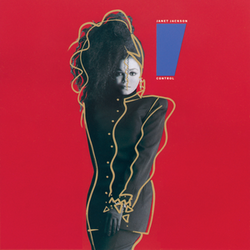
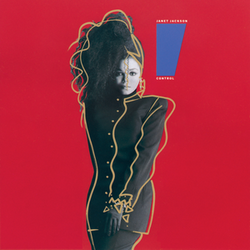
The album’s creation story reads like a masterclass in artistic liberation and creative risk-taking. Working primarily with the production duo Jimmy Jam and Terry Lewis, Janet crafted a sound that was simultaneously futuristic and deeply rooted in the Minneapolis funk sound that was dominating the charts. The collaboration produced tracks that would become not just hit singles, but cultural touchstones that continue to influence artists decades later. From the defiant declaration of independence in the title track to the playfully aggressive “Nasty” and the vulnerable yet strong “What Have You Done for Me Lately,” the album showcased an artist discovering her voice in real time.
A Podcast Deep Dive into Pop History
The decision to dedicate an entire week of podcast episodes to Janet Jackson’s “Control” era speaks to the album’s enduring significance in pop music history. This kind of deep-dive format allows for the exploration of nuances that often get lost in standard music journalism – the studio sessions, the creative decisions, the cultural context, and the ripple effects that extended far beyond the charts. When podcasts tackle iconic albums like “Control,” they’re able to peel back layers of history and reveal the human stories behind the legendary performances we’ve come to take for granted.
The “Vintage Pop Stardom” series format is particularly well-suited to examining Janet’s breakthrough moment because it can contextualize her achievements within the broader entertainment landscape of the mid-1980s. This was an era when MTV was reshaping how we consumed music, when the line between pop and R&B was becoming increasingly blurred, and when female artists were beginning to assert more creative control over their careers. Janet’s story becomes even more compelling when viewed through this lens, as she navigated industry expectations, family dynamics, and her own artistic ambitions simultaneously.
Control’s Cultural Impact and Musical Innovation
Beyond its commercial success, “Control” represented a seismic shift in how pop music could address themes of independence, sexuality, and personal empowerment. The album arrived at a moment when conversations about women’s autonomy were gaining mainstream traction, and Janet’s music provided a soundtrack for those cultural discussions. Songs like “Control” and “What Have You Done for Me Lately” weren’t just catchy pop tunes – they were anthems of self-determination that resonated with listeners navigating their own journeys toward independence.
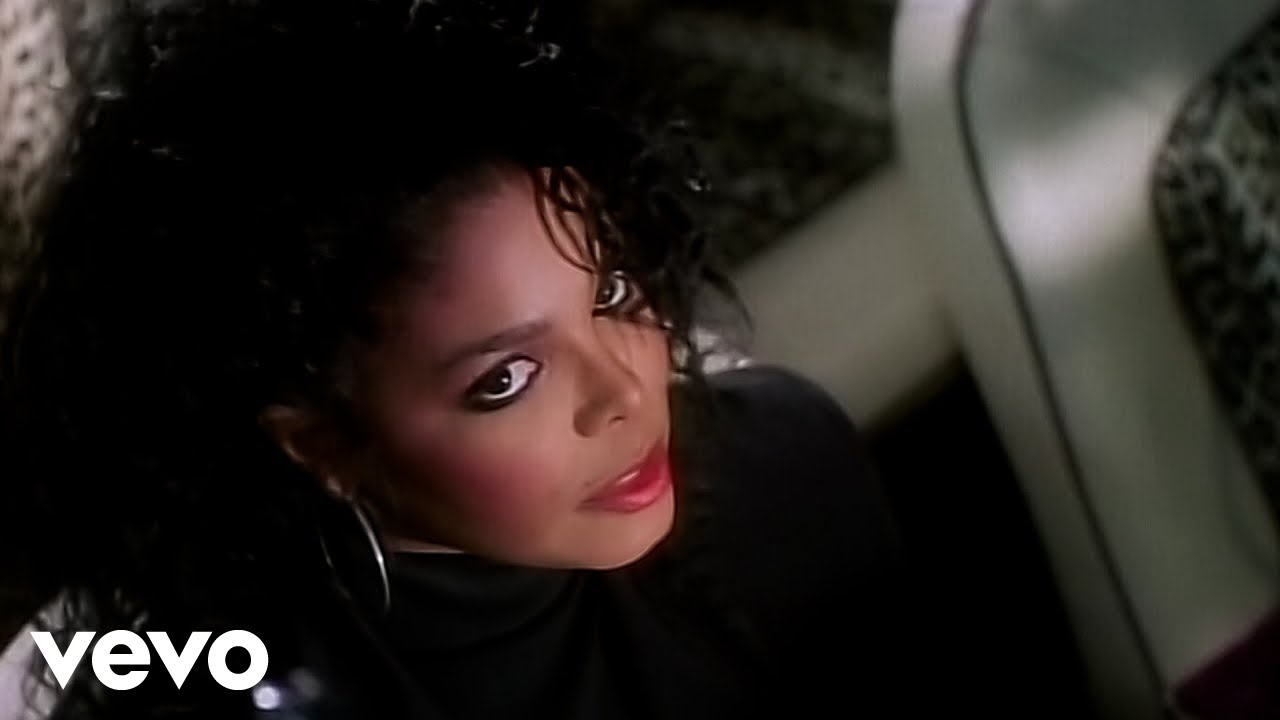
The sonic innovations on the album were equally revolutionary. The Minneapolis sound, characterized by its use of drum machines, synthesizers, and funk-influenced basslines, found its perfect vessel in Janet’s versatile vocals and confident delivery. The production techniques employed by Jimmy Jam and Terry Lewis created a template that would influence countless artists across genres. The way they layered Janet’s vocals, the strategic use of silence and space in the arrangements, and the seamless blend of electronic and organic elements created a sound that was both of its time and timeless.